
- Pace
- Do not treat NSW as a compact touring circuit. For a first visit, choose Sydney plus one adjoining region—most easily the Blue Mountains, Hunter/Newcastle or South Coast—or do a coast-only trip with two or three overnight bases. Sydney–Katoomba is roughly two hours by train and Sydney–Newcastle about 2½ hours, but the far north, far west and remote south are proper journeys: Broken Hill is about 13 hours by road from Sydney, while the North Coast needs several nights and a car to make sense.
- When to go
- March–May is the best all-round window: warm water, saner coastal crowds and comfortable inland temperatures. September–November is nearly as good for walks, wildflowers, wine country and whale watching, but inland heat and bushfire risk rise late in the season. Summer is for beaches and alpine hiking but brings heat, storms and expensive school-holiday crowds; winter is best for skiing, whales and mild Sydney city breaks.
- Daily budget
- AUD 350–550
New South Wales is Australia’s most useful “one state, many countries” trip: Sydney’s harbour metropolis sits alongside surf coasts, subtropical rainforest, wine valleys, alpine high country, irrigated food country and red-dirt outback. Beyond the Opera House and Harbour Bridge, it works best for travellers who want beach-and-bush road trips, serious walking, regional eating and wine, and a choice between polished city time and genuinely remote landscapes.
Known for
- Sydney Harbour, the Opera House and Harbour Bridge
- Blue Mountains escarpments, eucalyptus valleys and bushwalking
- Surf beaches and coastal road trips on the North and South Coasts
- Hunter Valley wine, especially Hunter Semillon
- Oysters, regional produce and Italian-Australian food in the Riverina
- Kosciuszko high country, Broken Hill art and outback landscapes
Where to go
 1
1Base · 1–4 days
Sydney
Give it four or five nights, not a rushed gateway stay: the harbour ferries, Opera House, beach walks, neighbourhood dining and galleries easily fill the time. Base yourself near the CBD and harbour for efficiency, or in Surry Hills, Potts Point, Newtown or Balmain for more character.
first-timersurban travellersfoodiesfamilies
Explore Sydney 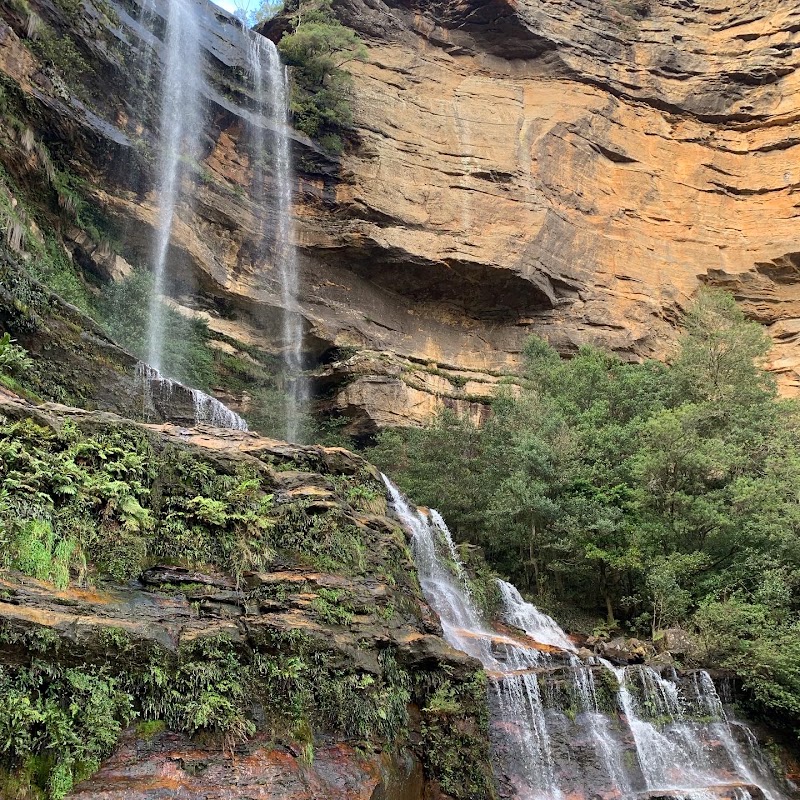 2
2Blue Mountains — Katoomba, Leura, Blackheath and Wentworth Falls
Base · 2 days
The Three Sisters are the headline, but the payoff is in the walking: Wentworth Falls, the Grand Canyon Track, Blackheath lookouts and eucalyptus valleys. Katoomba is the useful base, Leura is prettier, and Blackheath suits walkers who want quieter trails.
hikersfamiliesphotographers
 3
3Newcastle and the Hunter Valley
Base · 4 days
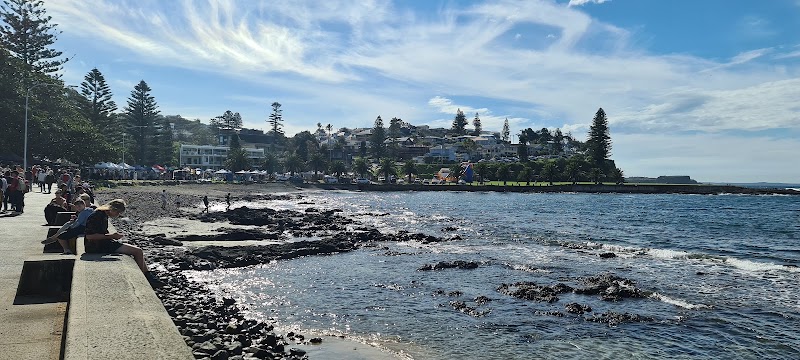
Pair Newcastle’s beaches, ocean baths, galleries and old-port grit with the Hunter’s cellar doors rather than treating either as a token day trip. Newcastle is the better choice if wine is not the main event; in the Hunter, seek out Semillon rather than generic tastings.
wine drinkerscouplesSydney repeat visitors
 4
4South Coast — Wollongong, Kiama, Shoalhaven and Jervis Bay
Base · 5 days
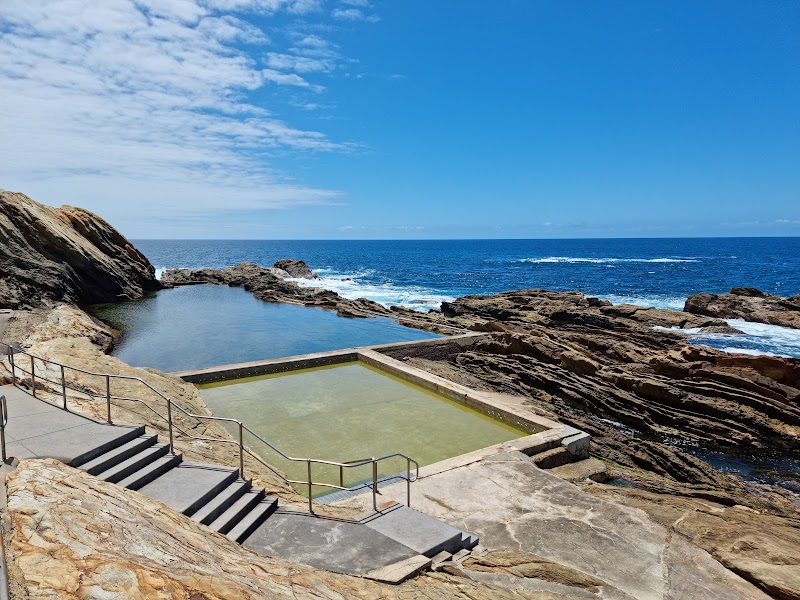
This is the closest coast that genuinely merits several nights: escarpment views, surf breaks, headland walks, oyster country and calm-water beaches. Use Wollongong or Kiama for a livelier base, and Huskisson or Vincentia for Jervis Bay rather than assuming it is one compact town.
beach walkersswimmersfamilies
 5
5Sapphire Coast — Narooma, Bermagui, Merimbula and Eden
Base · 3–4 days
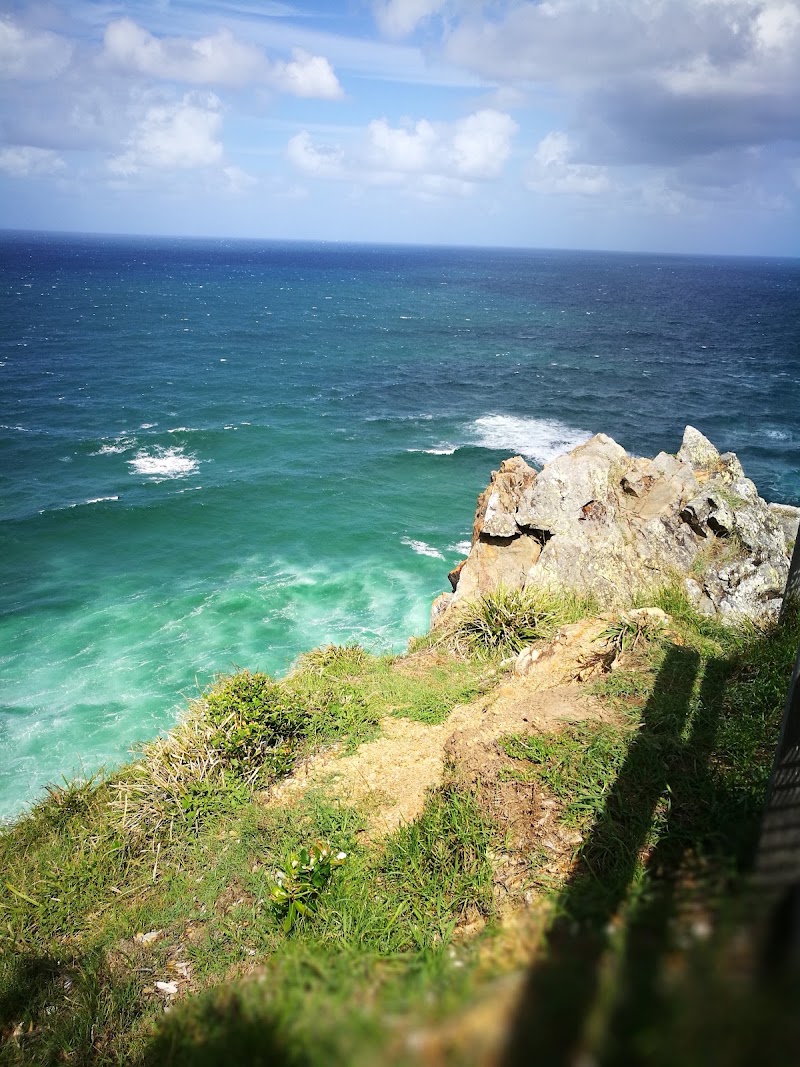
Choose the Sapphire Coast over Jervis Bay when you want a slower, wilder run of forested headlands, clear water and oyster estuaries. Narooma works for Montague Island trips; Bermagui, Merimbula and Eden reward travelers who prefer small-town coast to fashionable beach scenes.
road tripperswildlife watcherswhale watchers
 6
6Byron Bay and the Northern Rivers
Base · 5 days
Come for surf, Cape Byron walks, rainforest remnants and strong local produce, not for an imaginary bohemian Byron. Byron is busy and expensive; Brunswick Heads, Lennox Head, Suffolk Park, Bangalow and the Tweed make better bases for space and value.
surfersbeach travellerswellness-minded travellers
 7
7Lord Howe Island
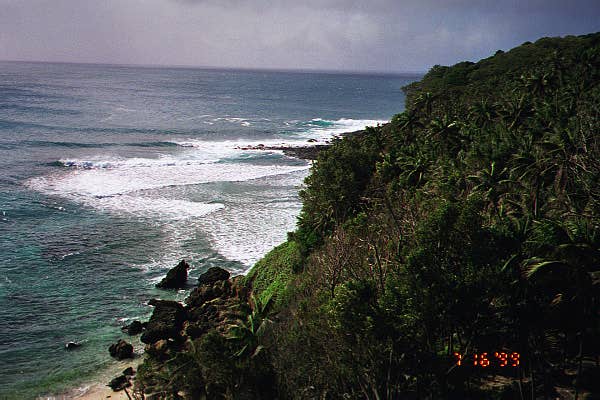
This is NSW’s standout nature escape: lagoon snorkelling, reef life, seabirds, cycling and serious walking around Mt Gower. Treat it as a dedicated island holiday of at least five nights, not an add-on to a Sydney itinerary.
honeymoonerswalkersdivers
 8
8Snowy Mountains — Jindabyne, Thredbo, Perisher and Kosciuszko
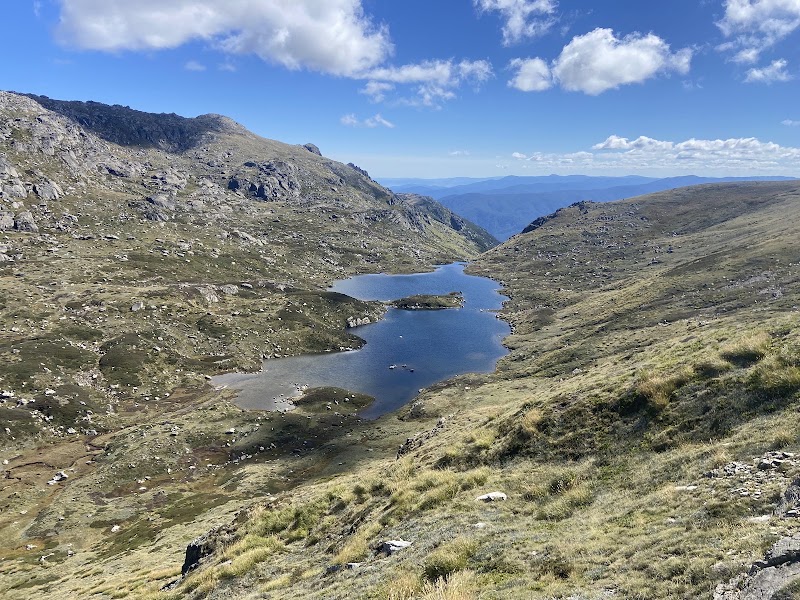
NSW’s proper high-country trip is for skiing and boarding in winter, then alpine hiking and cycling around Kosciuszko in summer. Jindabyne is the practical base; Thredbo is the polished village; Perisher is for maximum ski terrain.
skierssnowboardershikers
 9
9Central West — Orange, Mudgee and Bathurst
Orange is the sharper food-and-wine base, with cool-climate Chardonnay, Pinot and serious restaurants; Mudgee is more relaxed, rural and pub-focused. Bathurst adds heritage and motoring history, but the reason to come is eating and drinking well over a long weekend.
foodieswine drinkerscouples
 10
10Riverina — Griffith, Wagga Wagga, Leeton and Tumbarumba
Griffith is the essential stop: its Italian-Australian food culture, wineries, bakeries, salumi and irrigation-country produce make it unlike coastal NSW. Wagga is the functional regional hub, while Tumbarumba adds cooler-climate wine and mountain-edge scenery.
dedicated food travellerswine drinkerssecond-time visitors
 11
11Broken Hill and the Far West
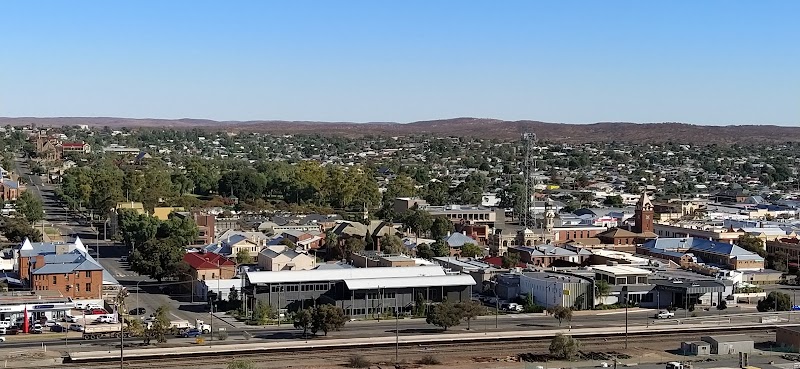
Broken Hill is an outback art city, not just a red-dirt stop: mine-era streets, artists’ studios, Silverton and desert light give it a distinct visual identity. Give it enough time for the Living Desert and the galleries rather than reducing it to a long-drive photo stop.
photographersart travellersoutback first-timers
 12
12Mungo National Park and the Willandra Lakes
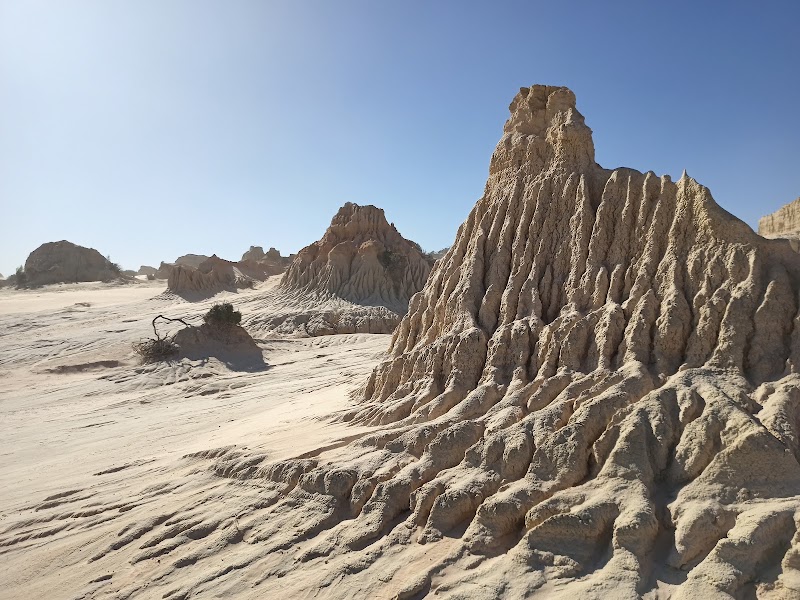
The ancient lakebed and Walls of China lunette are among Australia’s most consequential cultural landscapes. Go with an Aboriginal guide: the place is far more powerful as a story of Country and deep human history than as a self-guided desert drive.
culturally engaged travellersgeology fansphotographers
Don't miss
1
Sydney Opera HouseNew South Wales (NSW) and the Australian Capital Territory (ACT)
The Opera House is NSW's essential image, but it earns more than a harbour-side photo: see it from the water, around Circular Quay and from the Botanic Garden, then take a tour or attend a performance if timing works. A guided interior tour gives useful architectural context; the exterior and precinct are worthwhile even without one.
2
Sydney Harbour BridgeNew South Wales (NSW) and the Australian Capital Territory (ACT)
Sydney's other defining landmark is most rewarding as an active part of the city rather than a distant photo: walk the pedestrian path between The Rocks and Milsons Point for the Opera House view. The BridgeClimb is expensive but genuinely memorable for travellers who want the full-scale harbour experience.
3
Blue Mountains National ParkNew South Wales (NSW) and the Australian Capital Territory (ACT)
This is the most accessible big-landscape escape from Sydney: sandstone escarpments, eucalyptus haze, waterfalls and the Three Sisters make a very different counterpoint to the harbour. Stay a night around Katoomba, Leura or Blackheath if possible, since a rushed coach day trip misses the quieter walks and changing light.
4
Lord Howe IslandNew South Wales (NSW) and the Australian Capital Territory (ACT)
Lord Howe combines a dramatic volcanic skyline with unusually clear lagoon water, serious hiking and a deliberately low-key, low-capacity island rhythm. It is a destination in its own right rather than a Sydney add-on, ideally with four or more nights to allow for weather and boat-dependent activities.
Getting your bearings
Numbers match the places above; small dots are the headline sights.
The mental map
Think in three broad bands: the populated east coast, from Sydney through the North and South Coasts; the cooler inland uplands of the Blue Mountains, wine country, Southern Highlands, New England and Snowies; and the enormous dry west, including the Riverina and Outback NSW. Sydney is the natural hub, but Lord Howe Island is a separate flight-dependent holiday, not a casual extension. The coast rewards sequential road trips; the inland regions are distinct short breaks rather than stops to cram into one loop.
When to go
March–May is the best all-round window: warm water, saner coastal crowds and comfortable inland temperatures. September–November is nearly as good for walks, wildflowers, wine country and whale watching, but inland heat and bushfire risk rise late in the season. Summer is for beaches and alpine hiking but brings heat, storms and expensive school-holiday crowds; winter is best for skiing, whales and mild Sydney city breaks.
Pacing a visit
Do not treat NSW as a compact touring circuit. For a first visit, choose Sydney plus one adjoining region—most easily the Blue Mountains, Hunter/Newcastle or South Coast—or do a coast-only trip with two or three overnight bases. Sydney–Katoomba is roughly two hours by train and Sydney–Newcastle about 2½ hours, but the far north, far west and remote south are proper journeys: Broken Hill is about 13 hours by road from Sydney, while the North Coast needs several nights and a car to make sense.
Book before you land
Lord Howe Island flights and accommodation — visitor capacity is capped and inventory is tiny. · Sydney New Year’s Eve official harbour viewing areas, harbour cruises and Opera House-area events. · Thredbo and Perisher winter lift passes, lessons, equipment hire and accommodation, especially weekends and school holidays. · Mungo National Park Aboriginal-guided Walls of China/lunette tours. · Montague Island wildlife tours from Narooma in peak wildlife and whale periods. · Popular whale-watching cruises on the North and South Coasts during school holidays. · Sydney Harbour BridgeClimb and major Sydney Opera House performances on peak dates.
Getting in
SYDSydney Kingsford Smith Airport
The state’s default gateway and the only sensible arrival point for a first NSW trip. It has the international network, direct rail into central Sydney, rental cars, and onward flights to Ballina, Merimbula, Broken Hill and Lord Howe Island.
Flights and transfers into SydneyCBRCanberra Airport
A useful alternative for the Snowy Mountains, Southern Highlands, far South Coast and southern Riverina, even though it is in the ACT. Rent a car here; it is not a substitute for Sydney if harbour-city time is part of the plan.
Flights and transfers into CanberraBNKBallina Byron Gateway Airport
The practical airport for Byron Bay and the Northern Rivers, about 30 minutes from Byron. It is useful for finishing a north-coast road trip, but book a car or transfer: local public transport is weak outside town.
MIMMerimbula Airport
The efficient exit or entry point for a multi-night Sapphire Coast run through Narooma, Bermagui, Merimbula and Eden. Flights are limited, so do not build a same-day international connection around it.
BHQBroken Hill Airport
Use this for Broken Hill and the far west when time matters; flying avoids roughly 13 hours of driving from Sydney. It is still only a gateway—outback sightseeing needs a car or organized tour.
Flights and transfers into Broken Hill
Where to stay
Hotels in State of New South Wales
Picked from Sydney.
Add dates to see nightly prices.
2


Before you go
Questions worth settling
How many days do I need for a first trip to New South Wales?
Allow 7–10 days for Sydney plus one adjoining region. Give Sydney four or five nights, then add 2–4 nights in the Blue Mountains, Newcastle and the Hunter Valley, or the South Coast; do not try to add Broken Hill, the Snowies or Lord Howe Island to the same short trip.
Where should I base myself in Sydney and beyond?
In Sydney, stay near the CBD and harbour for maximum sightseeing efficiency, or choose Surry Hills, Potts Point, Newtown or Balmain for more neighbourhood character. For the Blue Mountains use Katoomba, Leura or quieter Blackheath; for Jervis Bay stay in Huskisson or Vincentia, while Wollongong or Kiama suit a livelier South Coast base.
Which NSW places are easiest to combine on one first visit?
The simplest combinations are Sydney with the Blue Mountains, Newcastle and the Hunter Valley, or the South Coast through Wollongong, Kiama, Shoalhaven and Jervis Bay. For a coast-focused trip, use two or three overnight bases rather than rushing between every beach town; the Sapphire Coast and Northern Rivers are better treated as separate multi-night road trips.
Do I need a visa or travel authorization for NSW?
Most international visitors need permission before flying to Australia. Eligible US, Canadian, Japanese, Singaporean and many other passport holders generally use an ETA (subclass 601), most Europeans use the free eVisitor (subclass 651), and New Zealand citizens can normally receive a Special Category Visa on arrival; check the Australian Department of Home Affairs before booking.
Can I get around NSW without a car?
Sydney is easy by train, ferry, light rail and bus, and Katoomba in the Blue Mountains and Newcastle are realistic by train. Beyond that corridor, the Hunter Valley, South Coast beyond Kiama, Northern Rivers, Snowy Mountains, Central West, Riverina and outback are largely car territory; use a driver or tour for Hunter tastings.
When is the best time to visit New South Wales?
March–May is the best all-round period, with warm water, fewer coastal crowds and comfortable inland temperatures. September–November is also strong for walks, wildflowers, wine country and whales; visit in winter for skiing at Thredbo or Perisher, and expect summer heat, storms and costly school-holiday demand.
What should I book well ahead?
Book Lord Howe Island flights and accommodation as early as possible, and treat it as a dedicated stay of at least five nights. Also reserve Sydney New Year’s Eve harbour access, BridgeClimb and peak Opera House performances, plus Thredbo or Perisher lift passes, lessons, rentals and lodging in winter; book Mungo Aboriginal-guided tours and Montague Island wildlife trips ahead too.
Known for
- Sydney Harbour, the Opera House and Harbour Bridge
- Blue Mountains escarpments, eucalyptus valleys and bushwalking
- Surf beaches and coastal road trips on the North and South Coasts
- Hunter Valley wine, especially Hunter Semillon
- Oysters, regional produce and Italian-Australian food in the Riverina
- Kosciuszko high country, Broken Hill art and outback landscapes