
- Pace
- Use one Budapest base, ideally central Pest, rather than changing hotels across the river. Three full days covers the core; five lets the city breathe; six or seven nights supports one or two day trips without rushing. Szentendre is an easy roughly 40-minute HÉV trip, while Gödöllő takes about 45–60 minutes; Visegrád and Esztergom are full-day commitments, not casual add-ons.
- When to go
- May, June, September and early October are Budapest’s best balance of walkable weather, long-enough days and usable day-trip conditions. January–February are the cheap, quiet choice if thermal baths matter more than river walks; July–August are hot, crowded and pricier, especially during Sziget and the 20 August celebrations. For the Budapest base plus Szentendre, Gödöllő or the Danube Bend, avoid trying to stack multiple towns into a single day and favor the shoulder seasons.
- Daily budget
- 55,000–95,000 HUF/day
Budapest is a grand but lived-in imperial capital split by the Danube: flat, dense, late-night Pest on one bank; hilly, residential and view-heavy Buda on the other. Beyond the Parliament postcard, it is a city of thermal baths, coffeehouses and pastry shops, Jewish history, serious museums and music, and a nightlife scene that can be either genuinely fun or relentlessly loud depending on where you sleep. District V is the monumental Pest core and the easiest first base, but Budapest makes more sense as one city with a practical belt of hills and Danube towns around it.
Known for
- The Parliament-and-Danube skyline
- Thermal baths with Ottoman and Belle Époque roots
- Habsburg, Art Nouveau and late-19th-century architecture
- Coffeehouse and pastry culture
- Jewish heritage and ruin-bar nightlife
- Classical music, museums and Danube views
Where to go
 1
1Short stop · 1 day
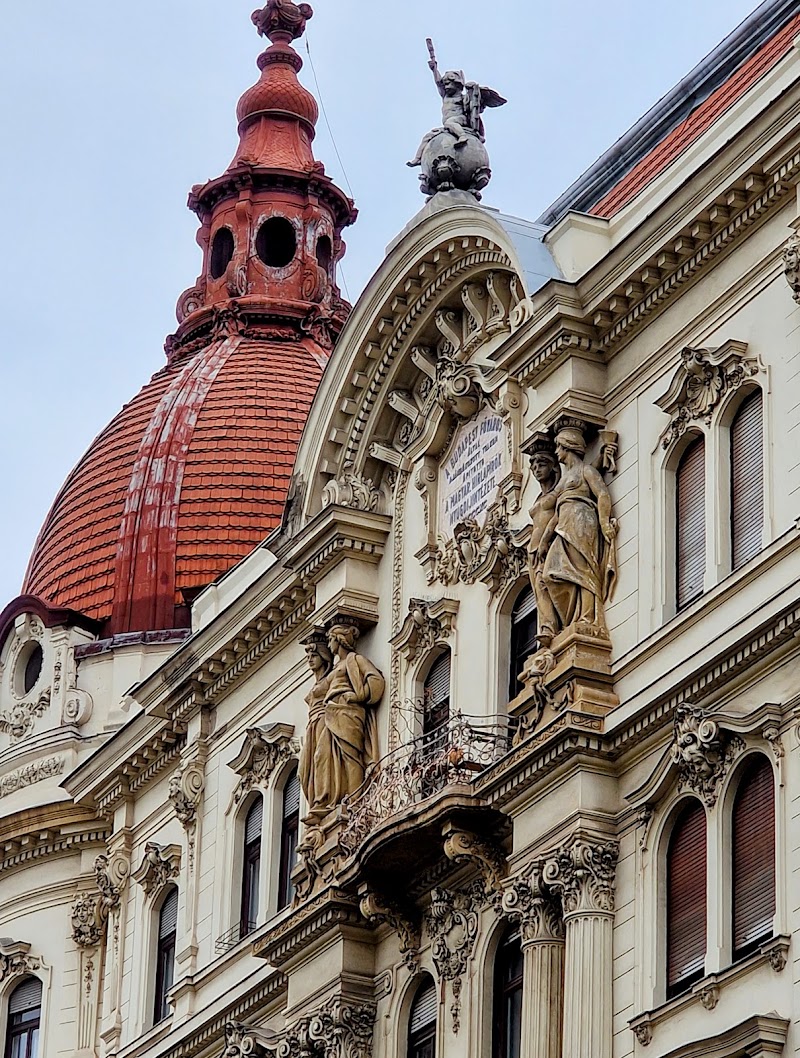
District V: Belváros–Lipótváros
The monumental Pest core: Parliament, St Stephen’s Basilica, Liberty Square and the Danube promenade. It is the most efficient base for a short first visit, though Váci utca’s “traditional” restaurants are mostly a trap.
first-timersarchitecture loversshort breaksfamilies
Explore District V: Belváros–Lipótváros 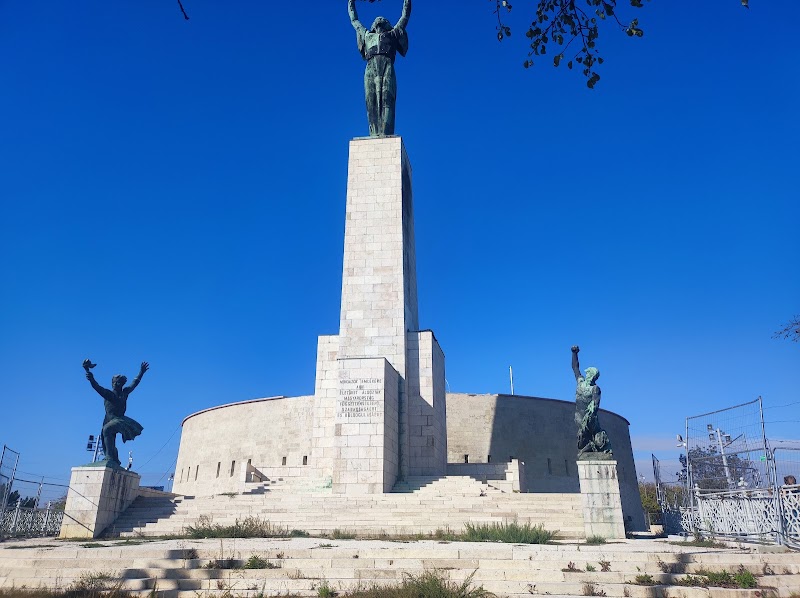 2
2Castle District, Víziváros and Gellért Hill
Short stop · 1 day
This is Buda at its most dramatic: Castle Hill, Matthias Church, Fisherman’s Bastion, museum-filled Buda Castle and the city’s defining views. Come for the panorama and historic fabric, not for late-night energy.
first-timerscouplesphotographers
 3
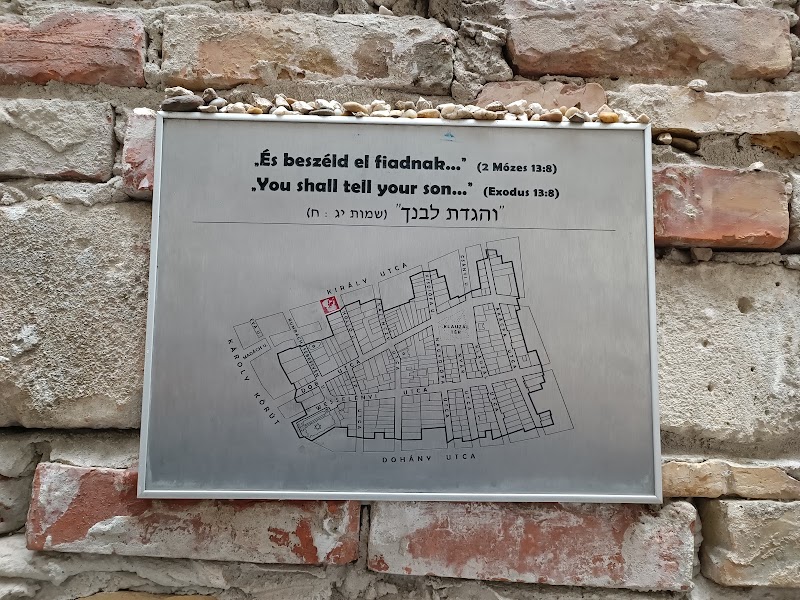
3Jewish Quarter and inner Erzsébetváros
Short stop · 1 day
Budapest’s densest mix of Jewish heritage, casual eating, wine bars and ruin-bar nightlife, anchored by Dohány Street Synagogue and Kazinczy utca. Stay elsewhere if you sleep lightly; the noise around Gozsdu and Kazinczy is real.
foodiesnightlifesolo travelers
 4
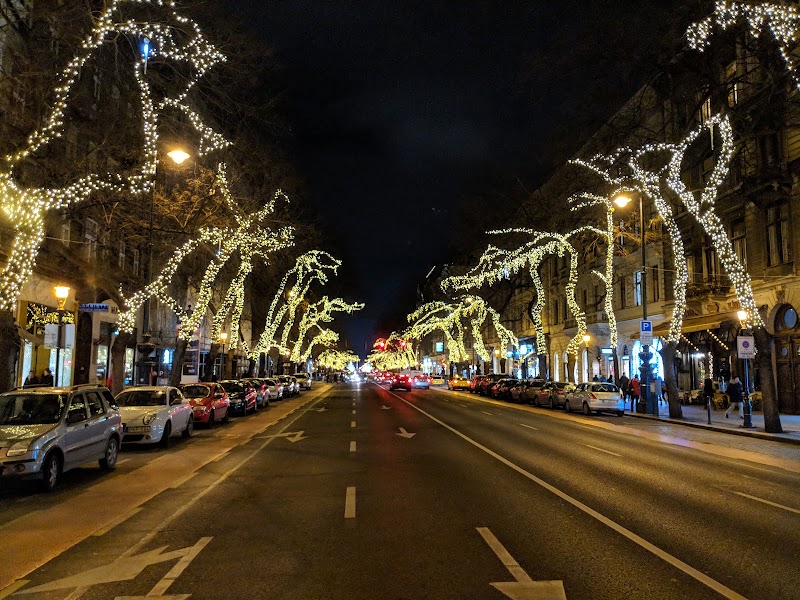
4Andrássy Avenue, Terézváros and City Park
Short stop · 1 day
A proper museum-and-bath day rather than a quick boulevard stroll: the Opera, House of Terror, Heroes’ Square, Museum of Fine Arts and Széchenyi Bath all sit on this axis. City Park needs dedicated time, especially with children.
museum visitorsfamiliesbath lovers
 5
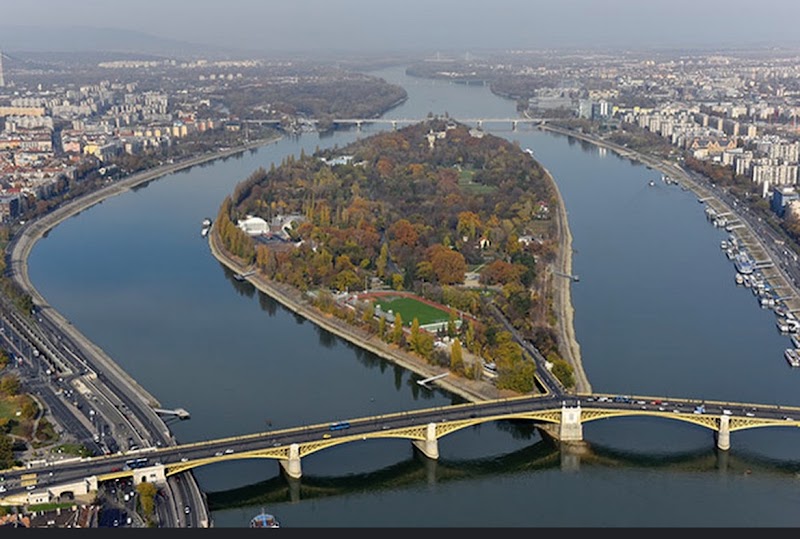
5Újlipótváros and Margaret Island
Short stop · 1 day
A calmer, café-heavy stretch of northern Pest with handsome early-modern streets, Pozsonyi út and easy access to Margaret Island. Choose it for daily rhythm, running and long lunches rather than landmark collecting.
repeat visitorsfamiliesrunners
 6
6Buda Hills: Normafa, Zugliget and the Children’s Railway
Short stop · 1 day
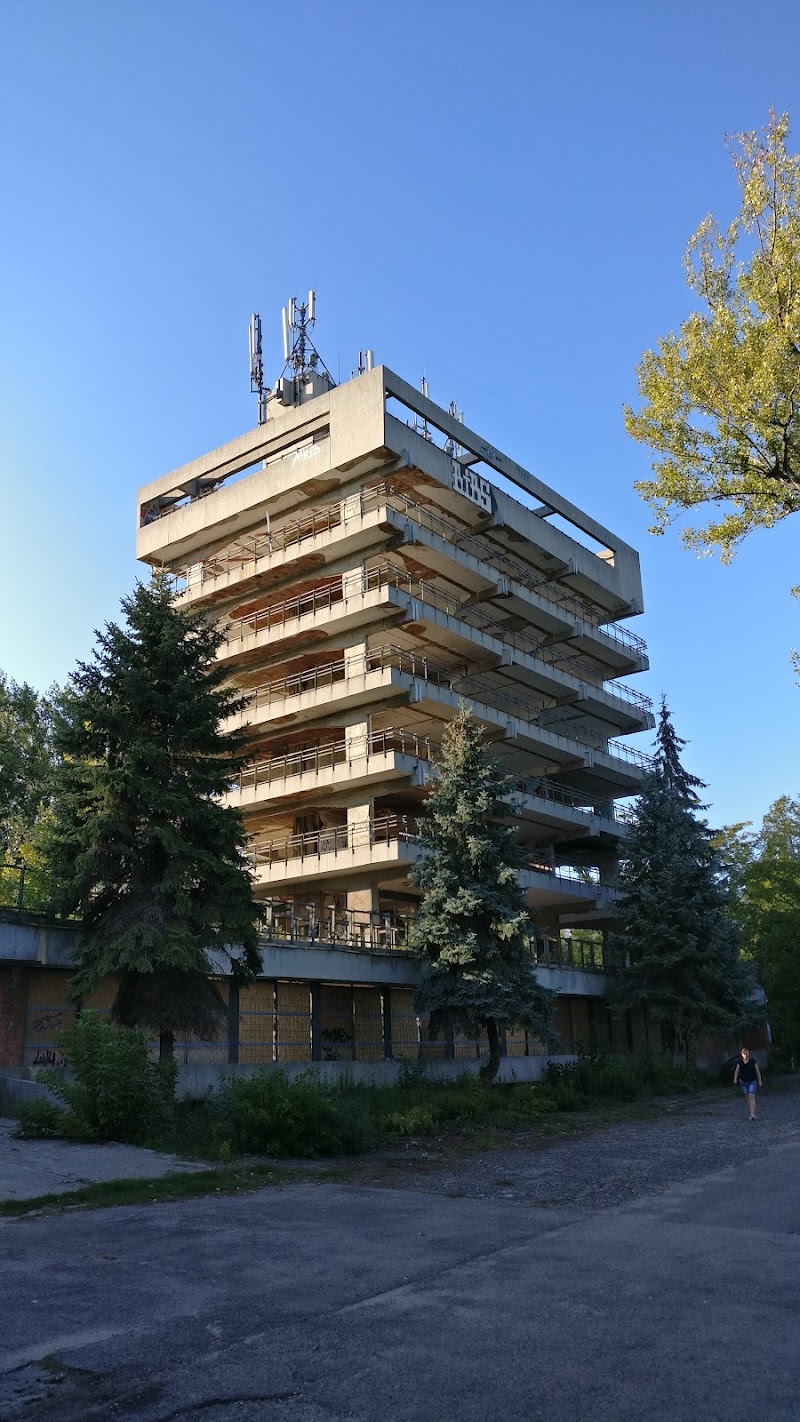
Forested hills, lookouts, short walks, a chairlift and heritage railway make this Budapest’s best escape from stone and crowds without leaving the city. It is worth a half or full day in good weather, but not at the expense of core sights on a short trip.
walkersfamiliessummer travelers
 7
7Óbuda, Aquincum and Római-part
Short stop · 1 day
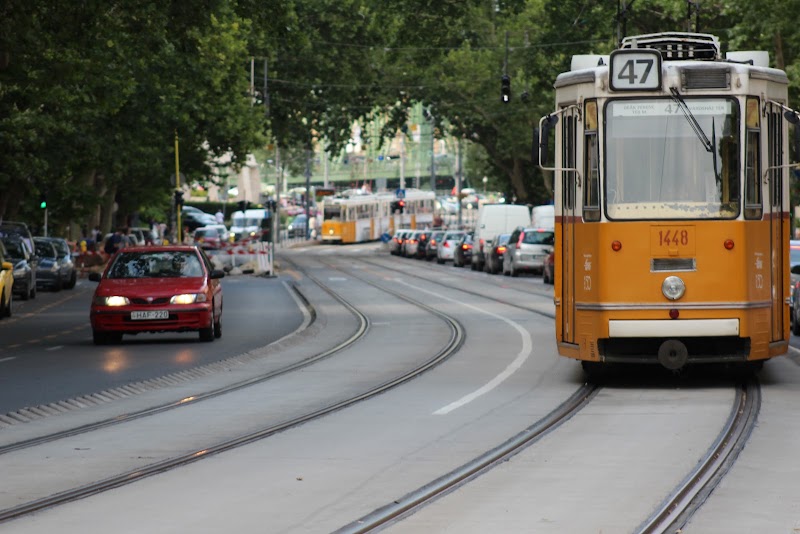
Old Buda offers Roman Aquincum, cobbled Fő tér and seasonal riverside eating at Római-part. It is a good second-visit counterweight to central Budapest, but too spread out to treat as a compact sightseeing quarter.
familiescyclistsRoman history fans
 8
8Újbuda and Bartók Béla Boulevard
Short stop · 1 day
South Buda’s strongest local-feeling café, gallery and bookshop corridor, with a more relaxed food-and-drink scene than District VII. It works best for a week-long stay or a deliberate afternoon, not a first-timer’s landmark base.
second visitsdesign-conscious travelerscafé lovers
 9
9Szentendre
Short stop · 1 day
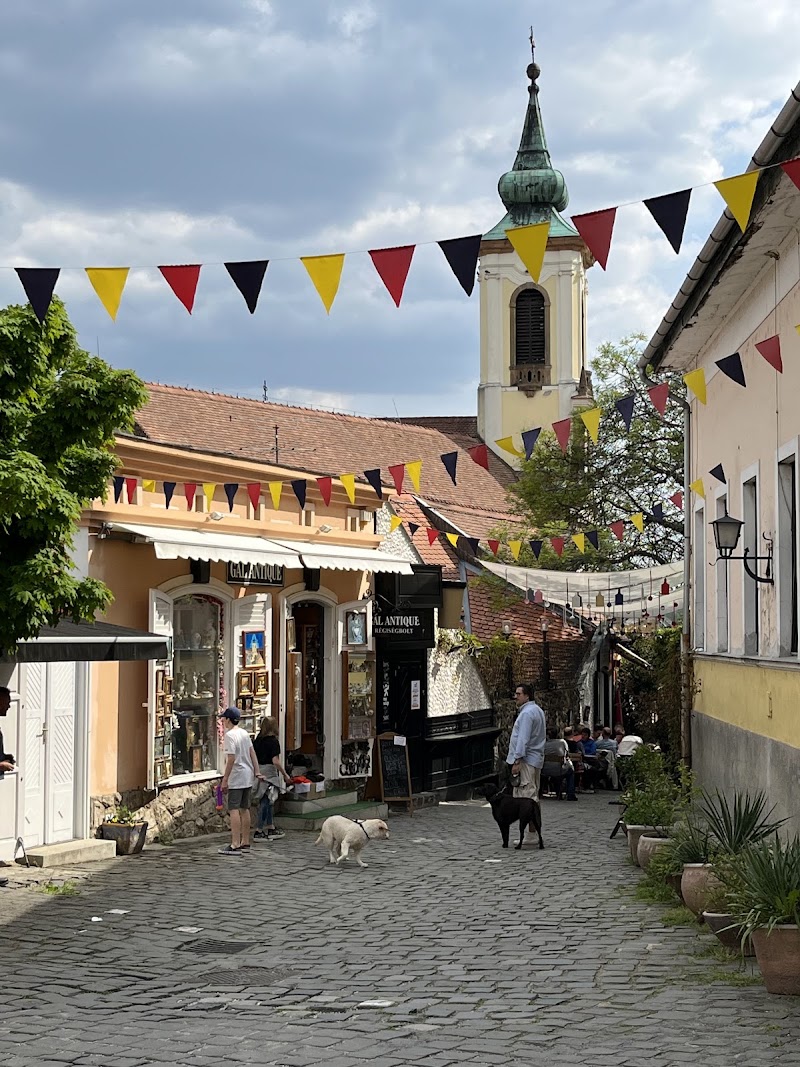
The easiest worthwhile day trip from Budapest: a compact Danube-side town of Serbian churches, cobbled lanes, small galleries and a river promenade. Go early on weekends; the center gets crowded and can feel stage-set by midday.
first-time day trippersart loversfamilies
 10
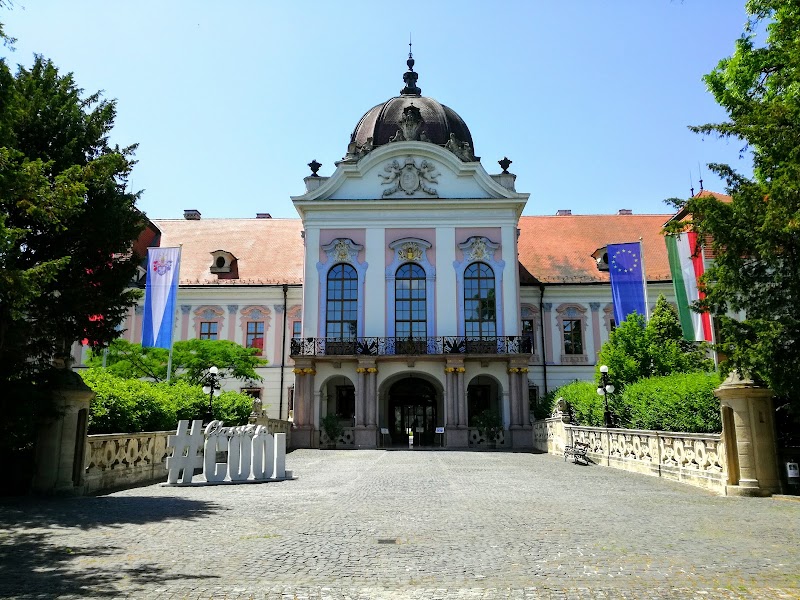
10Gödöllő
Short stop · 1 day
Come specifically for the Royal Palace of Gödöllő and its Habsburg, Sisi-linked history. It is a focused palace-and-gardens outing, not an alternative city break.
Habsburg history fanspalace loversfamilies
 11
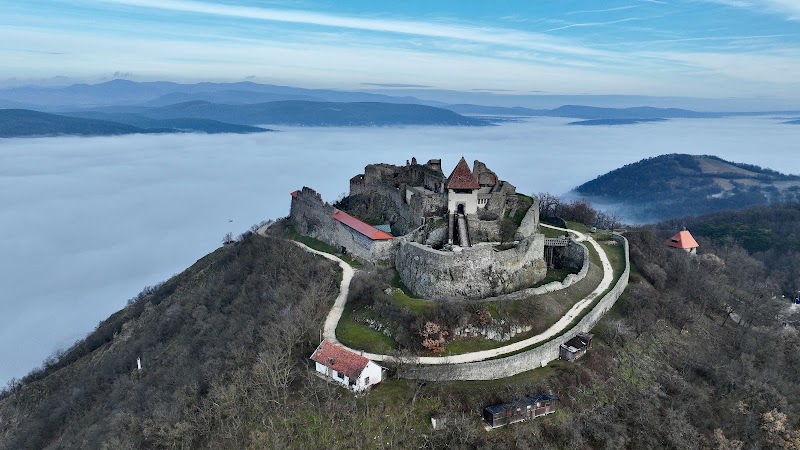
11Visegrád and the Danube Bend
Base · 2 days
Visegrád delivers the most cinematic near-Budapest Danube view, with a hilltop citadel, royal ruins and hiking. Public-transport access to the citadel takes effort, so give it a full day and do not cram it together with Szentendre or Esztergom.
scenic travelerswalkerscouples
 12
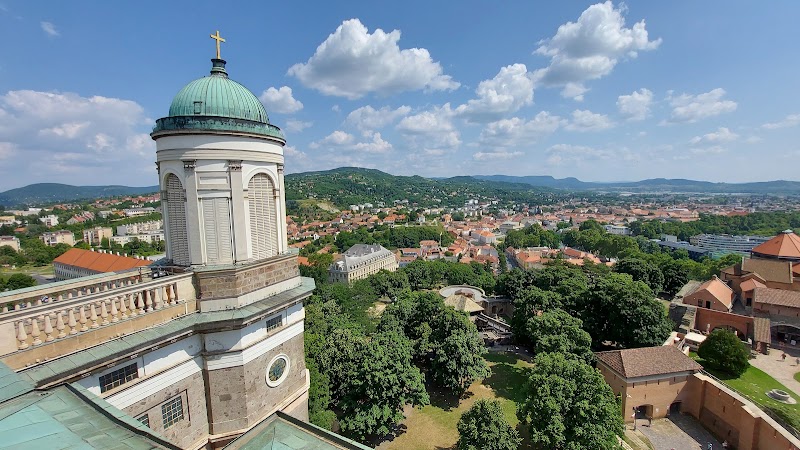
12Esztergom
Short stop · 1 day
Hungary’s former royal and ecclesiastical center is defined by its enormous basilica and Danube-border setting. It is a substantial full-day trip that should replace a Budapest day, not be squeezed around one.
church architecture lovershistory travelersslow travelers
Don't miss
1
Fisherman's BastionBudavár (Buda Castle)
This is Budapest's signature elevated Danube view, with Parliament framed across the river. Go early or after dark, then use it as the start of a walk through the Castle District rather than treating it as a long stop.
2
Buda CastleBudavár (Buda Castle)
The former royal palace is the anchor of Castle Hill, worth visiting for its courtyards, river-facing terraces, and the larger historic district around it. The exterior is the essential experience; add a museum only if its collection specifically interests you.
3
Széchenyi Chain BridgeBelváros (Inner City)
The bridge is Budapest's iconic Danube crossing and the most satisfying way to connect the Inner City with Castle Hill on foot. Walk it for the changing river-and-hill views, preferably as part of an unhurried crossing rather than a photo stop.
4
Hungarian Parliament BuildingBelváros (Inner City)
The riverfront Parliament is the defining image of Pest and one of Europe's great neo-Gothic civic buildings. See it from both banks, but book the formal interior tour if you want the crown and ceremonial rooms rather than just the exterior.
5
St. Stephen's BasilicaBelváros (Inner City)
Budapest's largest church is a central landmark with a surprisingly rewarding interior and a dome panorama when open. It fits easily into a central walk and is especially useful when weather makes long outdoor sightseeing less appealing.
6
Széchenyi Thermal BathVárosliget (City Park)
The city's grandest and most accessible historic bath is a quintessential Budapest experience, especially for a first visit. It is most enjoyable as a deliberate two-to-three-hour reset after City Park rather than a rushed dip between landmarks.
Getting your bearings
Numbers match the places above; small dots are the headline sights.
The mental map
Start with Pest versus Buda: Pest is where most first-time visitors should sleep, eat and go out; Buda is for Castle Hill, baths, hills and calmer evenings. Then separate the compact inner city from the outer green belt of the Buda Hills and Margaret Island. For day trips, look north along the Danube to Szentendre and the Danube Bend; Gödöllő sits separately to the east.
When to go
May, June, September and early October are Budapest’s best balance of walkable weather, long-enough days and usable day-trip conditions. January–February are the cheap, quiet choice if thermal baths matter more than river walks; July–August are hot, crowded and pricier, especially during Sziget and the 20 August celebrations. For the Budapest base plus Szentendre, Gödöllő or the Danube Bend, avoid trying to stack multiple towns into a single day and favor the shoulder seasons.
Pacing a visit
Use one Budapest base, ideally central Pest, rather than changing hotels across the river. Three full days covers the core; five lets the city breathe; six or seven nights supports one or two day trips without rushing. Szentendre is an easy roughly 40-minute HÉV trip, while Gödöllő takes about 45–60 minutes; Visegrád and Esztergom are full-day commitments, not casual add-ons.
Book before you land
Hungarian Parliament guided tour — book online well ahead for a specific date, particularly in high season; non-EU ticket allocations can disappear first. · Hungarian State Opera performances and major classical concerts — book ahead for any performance you genuinely want rather than relying on same-day availability. · Sziget Festival passes, and accommodation anywhere in Budapest during Sziget week — this is a citywide demand spike, not a spontaneous add-on.
Getting in
BUDBudapest Ferenc Liszt International Airport
The obvious gateway for Budapest and the day-trip belt. The 100E airport bus runs directly to the central Pest area; it requires its own airport ticket unless you hold a qualifying pass. Taxis are straightforward if booked through the official airport desk or app.
Flights and transfers into BudapestVIEVienna International Airport
A credible alternative when flights are much cheaper or better timed, especially for a Budapest–Vienna itinerary. Allow roughly 2.5–3.5 hours onward by direct coach or rail via Vienna; it is not worth using for a short Budapest-only break unless the airfare saving is substantial.
Budapest Keleti railway station
The principal international rail arrival point for trains from Vienna, Munich, Prague, Romania and beyond. It is east of the center but well connected by Metro 2 and 4; use it as an arrival point, not a reason to change hotels.
Flights and transfers into BudapestBudapest Nyugati railway station
Useful for some domestic and regional rail services, including the line toward the Danube Bend/Esztergom. It is central enough for a Pest hotel, but check the specific station on your ticket: Budapest's rail network is split among Keleti, Nyugati and Déli.
Flights and transfers into Budapest
Before you go
Questions worth settling
How many days do I need for a first trip to Budapest?
Plan three full days for Budapest’s core sights, including District V: Belváros–Lipótváros, Castle District and the Andrássy Avenue/City Park axis. Five days gives you time for baths, museums and slower evenings; six or seven nights allows one or two day trips without rushing.
Where should I stay on my first visit to Budapest?
Base yourself once in central Pest, ideally District V for the easiest access to major sights, or District VI or a quiet edge of District VII for more dining and nightlife. The Jewish Quarter is convenient but genuinely noisy around Gozsdu Courtyard, Kazinczy utca, Király utca and busy parts of Dob utca; Buda is lovely for views but less practical for late dinners and concerts.
Should I stay in Pest or Buda?
For most first-time visitors, stay in Pest and cross to Buda for Castle Hill, Gellért Hill and baths. Pest is flatter, denser and better for restaurants, evenings and transport, while Buda is calmer, hillier and best treated as a planned half-day or day out.
Which day trips are worth combining with Budapest?
Szentendre is the easiest addition: it is about 40 minutes by HÉV suburban rail and works well as a relaxed day trip. Gödöllő takes roughly 45–60 minutes and is worthwhile specifically for the Royal Palace; give Visegrád or Esztergom a full day each and do not try to combine them with Szentendre.
Do I need a visa to visit Budapest?
Hungary is in the Schengen Area. EU/EEA/Swiss citizens can enter with a valid ID or passport; visitors from visa-exempt countries including the US, Canada, UK, Australia and New Zealand can generally stay up to 90 days in any 180-day Schengen period, while other nationalities may need a Schengen visa. Check current entry and passport-validity requirements before travel.
Do I need a car, and how do I get around?
You do not need a car in Budapest: use the BKK metro, trams and buses from a central Pest base. Use the 100E bus from Budapest Ferenc Liszt International Airport for central Pest, buying its separate airport ticket unless you hold a qualifying pass; for day trips, take HÉV to Szentendre and use rail or bus connections for farther Danube Bend destinations.
When is the best time to visit Budapest?
May, June, September and early October offer the best balance of walkable weather, daylight and good conditions for Szentendre, Gödöllő or the Danube Bend. July and August are hot, crowded and pricier, especially during Sziget and the 20 August celebrations; winter is quieter and good for baths, museums, concerts and coffeehouses but less suited to hill or river outings.
What should I book in advance?
Book a Hungarian Parliament guided tour well ahead for a specific date, especially in high season, as non-EU allocations can go first. Also reserve Hungarian State Opera performances or major classical concerts you care about, and book accommodation far ahead during Sziget Festival week or around the 20 August fireworks.
Known for
- The Parliament-and-Danube skyline
- Thermal baths with Ottoman and Belle Époque roots
- Habsburg, Art Nouveau and late-19th-century architecture
- Coffeehouse and pastry culture
- Jewish heritage and ruin-bar nightlife
- Classical music, museums and Danube views
