- Pace
- For a first trip of 7–10 days, cover the north-central section and Salento with two bases: Bari or Monopoli, or a Valle d’Itria base if driving, then Lecce or a Salento coastal base. Bari to Lecce takes about 1 hour 27 minutes by the fastest regional train, but the region is deceptively long: do not add Gargano to a one-week itinerary. With 12–14 days, add Gargano or the Taranto/Gravine side, not both as rushed detours.
- When to go
- Go in late April–June or September–mid-October for the best mix of warm weather, workable roads, open restaurants and time in towns without peak-season punishment. September is the single safest bet: the sea is still warm but the late-August domestic crush has eased. July–August are for people who genuinely prioritize swimming, beach life and festivals over heat, traffic, parking and high room rates; winter suits Bari, Lecce and food-led city breaks, not a beach holiday.
- Daily budget
- €150–260
Puglia is Italy’s long, low southeast—the heel and spur of the boot—where working port cities, olive-country villages, trulli farmland and two very different coastlines sit closer together than they functionally belong. Its appeal is not a checklist of whitewashed lanes and conical roofs, though it has plenty of both: it is the unusually good mix of lived-in Bari and Lecce, slow rural evenings in the Valle d’Itria, direct food, and beaches that range from Gargano cliffs to Salento sand. Treat it as a region of distinct mini-destinations rather than one seamless road trip; Matera, despite often being bundled in, is in Basilicata, not Puglia.
Known for
- Whitewashed towns, trulli and dry-stone olive country
- Masserie farm stays and olive oil
- Bari, Lecce and Romanesque/Baroque architecture
- Adriatic cliffs and coves, plus Salento’s sandy Ionian beaches
- Burrata, orecchiette, focaccia, seafood and vegetable-led cooking
- Gargano’s forests and the Tremiti Islands
Where to go
Bari
1Base · 2 days
Bari
Puglia’s most useful arrival point and a real port city worth two nights, not just an airport transfer. Bari Vecchia, San Nicola, focaccia and busy evening streets provide the urban counterweight to all the whitewashed villages.
first-timersno-car travelersfoodiessolo travelers
Explore Bari Valle d’Itria
2Valle d’Itria
Base · 3 days
The trulli-and-olive-grove core of Puglia, best explored slowly from Martina Franca, Cisternino or a countryside masseria. Use it for white towns, dry-stone lanes and serious butcher-grill dinners; see Alberobello early or late, not as an all-day base.
driversfoodiesfamilies
Lecce
3Lecce
Base · 2–3 days
Salento’s strongest city base: dense Baroque stonework, good restaurants, proper evening life and useful rail links. Stay here for culture and dining, then head to the coast rather than expecting a beach outside the door.
first-timersarchitecture loversfoodies
Polignano a Mare and Monopoli
4Polignano a Mare and Monopoli
Short stop · 1 day
These neighboring Adriatic towns make the easiest sea-facing stop south of Bari. Go to Polignano for the cliff-and-cove drama, but sleep in Monopoli for the more livable old town, harbor and better dinner-and-base-town rhythm.
no-car travelerscouplesshort breaks
Ostuni and the Brindisi coast
5Ostuni and the Brindisi coast
Ostuni’s hilltop old town is one of Puglia’s best-looking urban silhouettes, with olive country and Adriatic beaches within driving reach. It is a smart compromise base between Valle d’Itria and Salento, though the station sits well below the town.
driversfirst-timerscouples
Otranto and Adriatic Salento
6Otranto and Adriatic Salento
Base · 1–3 days
Choose this side of Salento for Otranto’s fortified old town and cathedral, then work south through cliff roads, coves and clear water toward Castro and Santa Maria di Leuca. It is more rugged and scenic than the Ionian side, but needs a car in earnest.
beach-and-history travelersdriverscouples
Gallipoli and Ionian Salento
7Gallipoli and Ionian Salento
Base · 3 days
This is Salento’s sandy-beach coast: broad shallows around Porto Cesareo and a lively historic core in Gallipoli. Pick it when swimming, sunset and beach life matter more than secluded coves; in August, traffic and lidos are part of the deal.
familiessummer beach travelersgroups
Gargano and the Tremiti Islands
8Gargano and the Tremiti Islands
Base · 3 days
Puglia’s northern spur is greener, hillier and wilder than the rest of the region, with Vieste and Peschici as practical bases for beaches, boat trips and hiking. Add it only with several nights: it is too far from Bari or Lecce for a credible quick detour.
nature travelersroad trippershikers
Trani, Andria and Castel del Monte
9Trani, Andria and Castel del Monte
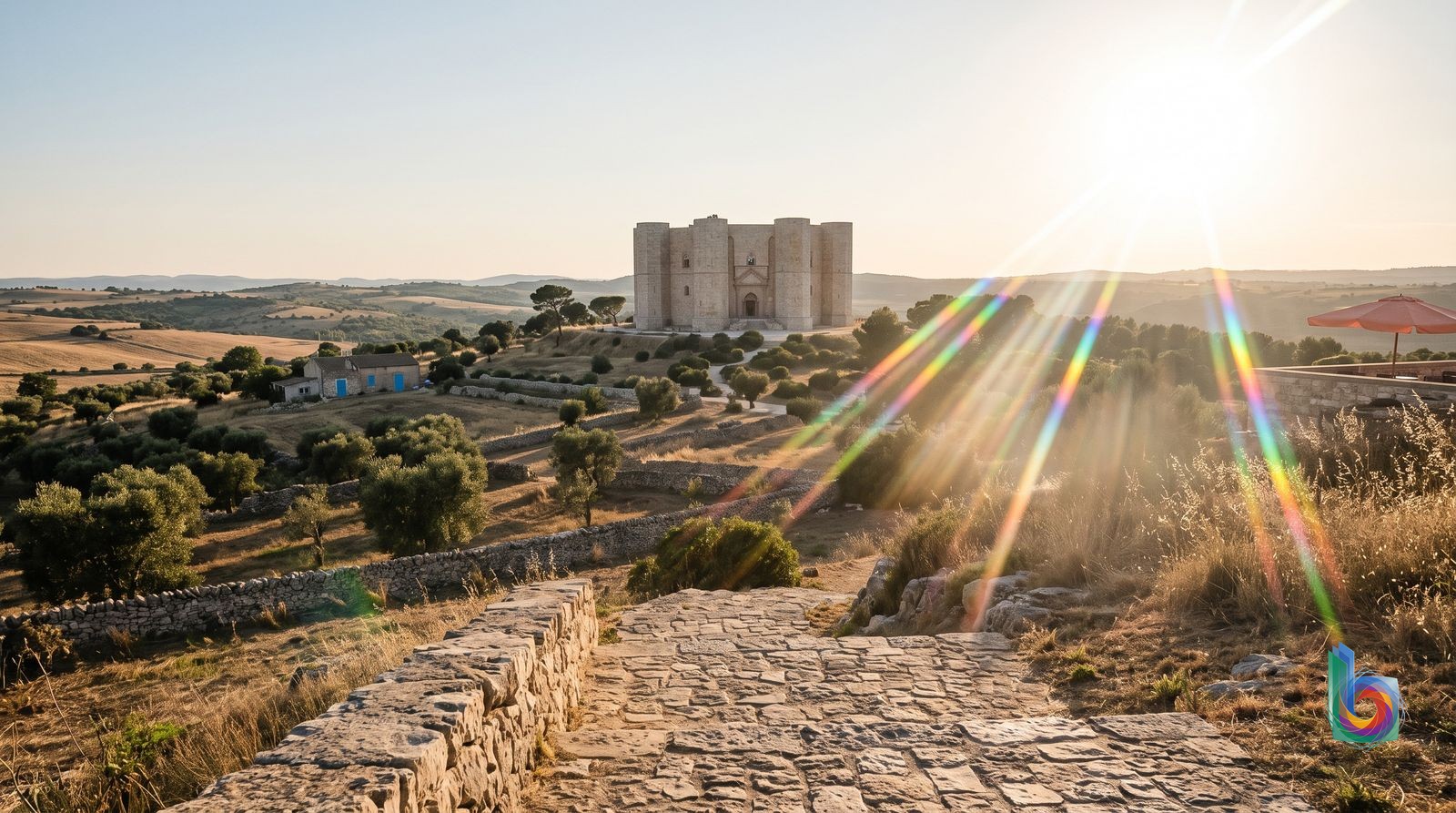
A quieter north-central circuit for Romanesque architecture and Frederick II history: Trani’s cathedral sits dramatically on the harbor, while Castel del Monte is the essential inland monument. It works best by car or with a planned tour, not as a beach add-on.
architecture lovershistory travelersdrivers
Taranto, Grottaglie and the Gravine
10Taranto, Grottaglie and the Gravine
The less polished Ionian-and-ravine side rewards travelers who prefer archaeology, ceramics and cave-country to trulli photo stops. Taranto has major Magna Graecia material, Grottaglie has working ceramic workshops, and the Gravine deliver the region’s starkest landscapes.
repeat visitorsarchaeology loverscraft travelers
Don't miss
1
Grotte di CastellanaMetropolitan City of Bari (BA)
These are Puglia’s most substantial show caves, with a genuinely memorable run of chambers rather than a quick roadside stop. Take the standard guided circuit early in the day, then use the rest of the day for Alberobello or the Valle d’Itria.
2
Parco Archeologico di EgnaziaBrindisi (BR)
Egnazia makes the Roman and Messapian layers of the Adriatic coast legible: excavated streets, tombs, museum pieces and a setting beside the sea. It is best for travelers who want a serious archaeological stop between the Valle d’Itria and coastal towns.
3
Centro storico di MonopoliMetropolitan City of Bari (BA)
Monopoli is one of the most enjoyable working old towns on the Adriatic: white lanes, small fishing harbor, churches and a lived-in feel that avoids becoming a single-photo stop. Wander without a strict route, then stay through aperitivo or dinner rather than rushing on from Polignano.
4
Alberobello TrulliMetropolitan City of Bari (BA)
Alberobello’s concentrated trulli districts are the region’s unmistakable image, and even a first-time visitor should see them despite the crowds. Walk both Rione Monti and the quieter Aia Piccola, then leave the main souvenir lanes for a meal elsewhere in the Valle d’Itria.
5
Polignano a Mare Historic CentreMetropolitan City of Bari (BA)
The cliff-edge old town and views over Lama Monachile make Polignano one of Puglia’s essential Adriatic stops. It is visually compact, so pair a short walk and sea views with Monopoli rather than allotting an entire day unless you are swimming or dining here.
6
Lecce Historic CentreLecce (LE)
Lecce is the essential urban counterweight to Puglia’s whitewashed coastal towns: its soft-stone Baroque facades, Roman amphitheater and evening street life reward unhurried wandering. Give it at least a late afternoon and night, rather than using it only as a lunch stop on the way to the coast.
Getting your bearings
Numbers match the places above; small dots are the headline sights.
The mental map
Think in four workable slices: Gargano and Daunia in the detached, greener north; the Bari–Monopoli–Ostuni central Adriatic coast; the inland Valle d’Itria and Murgia; and Lecce with the two coasts of Salento in the south. The Tremiti Islands belong with Gargano. Bari–Lecce is the useful rail spine; inland trulli towns and most serious beach-hopping are much easier by car.
When to go
Go in late April–June or September–mid-October for the best mix of warm weather, workable roads, open restaurants and time in towns without peak-season punishment. September is the single safest bet: the sea is still warm but the late-August domestic crush has eased. July–August are for people who genuinely prioritize swimming, beach life and festivals over heat, traffic, parking and high room rates; winter suits Bari, Lecce and food-led city breaks, not a beach holiday.
Pacing a visit
For a first trip of 7–10 days, cover the north-central section and Salento with two bases: Bari or Monopoli, or a Valle d’Itria base if driving, then Lecce or a Salento coastal base. Bari to Lecce takes about 1 hour 27 minutes by the fastest regional train, but the region is deceptively long: do not add Gargano to a one-week itinerary. With 12–14 days, add Gargano or the Taranto/Gravine side, not both as rushed detours.
Getting in
BRIBari Karol Wojtyła Airport
The main gateway for almost every first trip: best for Bari, Monopoli, the Valle d’Itria and onward trains to Lecce. Use it for Gargano too, but do not mistake a Bari arrival for easy access to Vieste or Peschici.
Flights and transfers into BariBDSBrindisi Airport
The sensible arrival or departure airport for Lecce, Ostuni and Salento. It saves a backtrack to Bari after a southbound trip, especially if you have a car.
Bari Centrale
The practical rail gateway from Rome, Naples and northern Italy, and the hub for the useful Bari–Monopoli–Ostuni–Brindisi–Lecce spine. Stay near it only if rail convenience matters more than old-town atmosphere.
Flights and transfers into BariFOGFoggia Airport
A niche but useful gateway for Gargano or northern Puglia when flights operate. It does not remove the need for a car or a planned onward transfer to the coast.
Before you go
Questions worth settling
How many days do I need for a first trip to Puglia?
Allow 7–10 days for a first visit, using two bases: one in the north-central area and one in Lecce or on the Salento coast. Do not add Gargano to a one-week trip; with 12–14 days, add Gargano or the Taranto/Gravine side, rather than rushing both.
Where should I base myself in Puglia?
Without a car, base yourself in Bari, Monopoli and/or Lecce, which work with the Bari–Lecce rail line. With a car, stay around Cisternino, Martina Franca, Locorotondo or Ostuni for Valle d’Itria, then move south to Lecce, Otranto or the Ionian coast; avoid using one base for the whole region.
Which towns and areas are easiest to combine?
Combine Bari with Polignano a Mare and Monopoli for an easy north-central, rail-friendly start, then continue to Lecce. Drivers can pair Valle d’Itria—Martina Franca, Cisternino, Locorotondo and Ostuni—with Salento; choose Otranto and the Adriatic coast for rugged coves, or Gallipoli and Porto Cesareo for sandy beaches.
Do I need a car in Puglia?
Not for a trip focused on Bari, Polignano, Monopoli, Ostuni and Lecce: the Bari–Lecce rail spine is useful. A car makes a major difference for Valle d’Itria, Gargano, Otranto’s southern coves and beach-heavy Salento, where inland towns and smaller beaches are awkward by public transport.
Can I visit Gargano or the Tremiti Islands as a day trip from Bari?
No—treat Gargano and the Tremiti Islands as a separate northern stay, with several nights based around Vieste or Peschici. Bari is a gateway, not a convenient base for a quick Gargano detour, and Tremiti boat trips need a weather buffer.
When is the best time to visit Puglia?
Late April through June and September through mid-October give the best balance of weather, open restaurants and manageable roads. September is the safest all-round choice for warm sea temperatures without late-August crowds; July and August are best only if beach life outweighs heat, traffic, parking and higher room rates.
What should I book ahead?
In July and especially August, reserve accommodation well ahead, particularly around Ferragosto, when coastal stays may have minimum nights and parking is difficult. Also plan coastal lidos or parking, popular restaurants during the holiday period, and rooms around Salento events such as La Notte della Taranta or Scorrano’s lights.
Do I need a visa to visit Puglia, Italy?
Italy is in the Schengen Area: EU/EEA/Swiss visitors can enter freely, while many other travelers—including US, UK, Canadian and Australian passport holders—can usually visit visa-free for up to 90 days in any 180-day Schengen period. Confirm current entry and ETIAS requirements before traveling.
Known for
- Whitewashed towns, trulli and dry-stone olive country
- Masserie farm stays and olive oil
- Bari, Lecce and Romanesque/Baroque architecture
- Adriatic cliffs and coves, plus Salento’s sandy Ionian beaches
- Burrata, orecchiette, focaccia, seafood and vegetable-led cooking
- Gargano’s forests and the Tremiti Islands


