- Pace
- Allow five full days at an absolute minimum; seven is the sensible first visit. Use one base in Roma/Condesa, Juárez/Cuauhtémoc, Centro or Polanco, focus on one major area each day, and do the far south as long day trips rather than changing hotels. Traffic is the limiting factor: central cross-town trips commonly take 20–40 minutes, Coyoacán or UNAM 40–70, and Xochimilco can take 60–120 minutes each way, especially around weekday rush hours.
- When to go
- October–November is the best all-round window: the rains are fading, days are mild and the city is easier to walk, but Día de Muertos makes late October/early November crowded and expensive. December–February is dry and pleasant for museums and long walks, while March–May is sunny but hot, dusty and high-UV. June–September is greener and often cheaper, but afternoon downpours can wreck cross-city timing—especially for airport runs and south-city days.
- Daily budget
- MX$3,000–5,800
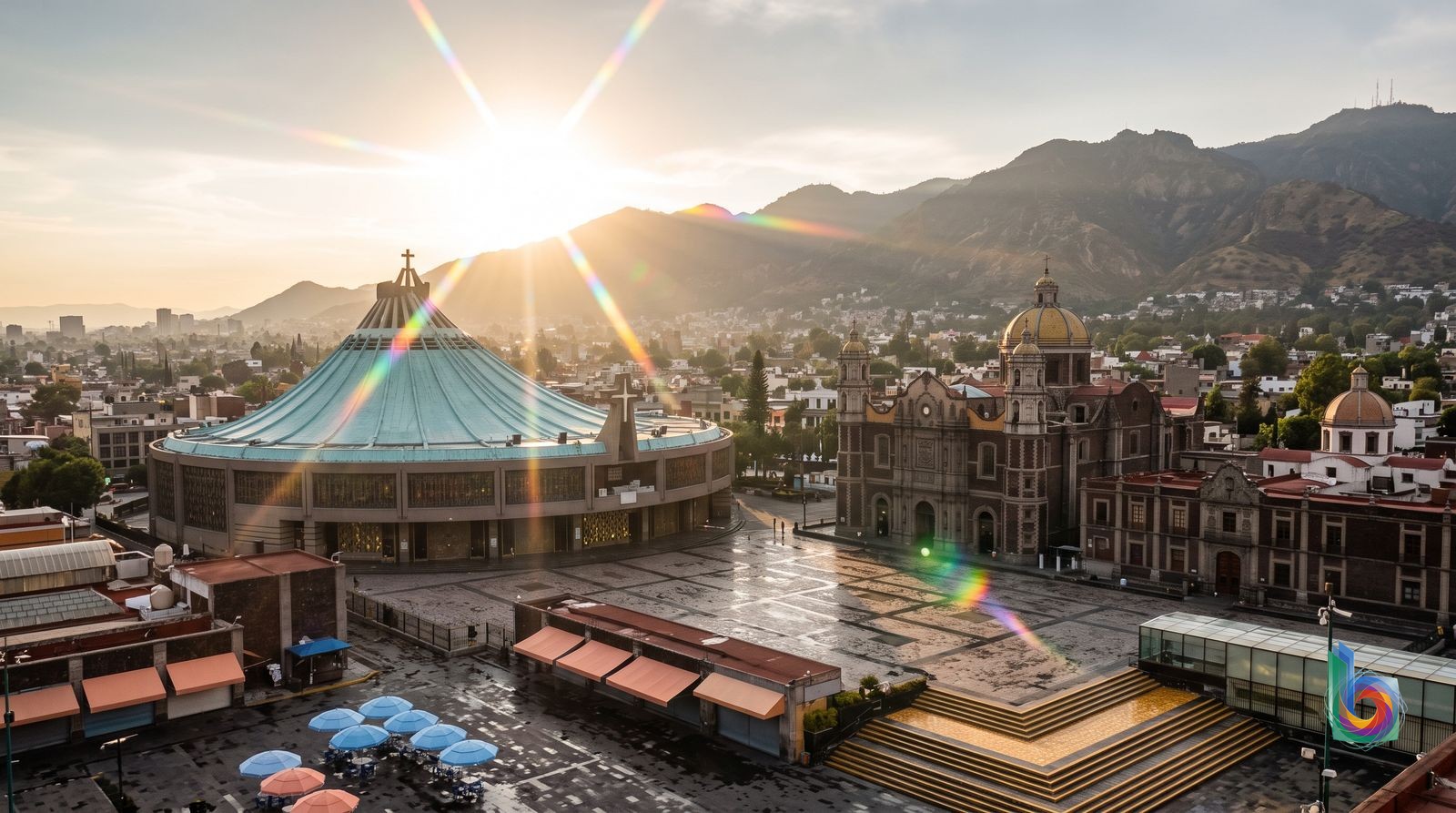
Mexico City is a vast, high-altitude capital built over the lake basin of Tenochtitlan: not a compact old-town break, but a working megacity where Mexica ruins, colonial power, modernist architecture, markets, university culture and one of Latin America’s most serious food scenes sit in the same urban sprawl. Treat CDMX as the destination, not merely a gateway to central Mexico, and use one central hotel base rather than trying to turn it into a multi-stop trip.
Known for
- The Zócalo, Templo Mayor and the layered Mexica-to-colonial history of Centro Histórico
- World-class museums, especially the Museo Nacional de Antropología, and Chapultepec’s park-and-museum complex
- Roma, Condesa and Juárez for cafés, galleries, bars and destination restaurants
- Frida Kahlo’s Casa Azul in Coyoacán and the wider southern art-and-village landscape
- Xochimilco’s canals, trajineras and surviving chinampa agriculture
- A deep street-food, market, cantina and ambitious fine-dining culture
Where to go
Centro Histórico, Alameda and the Zócalo
1Base · 1–2 days
Centro Histórico, Alameda and the Zócalo
The essential historical core: Mexica ruins at Templo Mayor, the Cathedral, Zócalo, Bellas Artes and mural-filled civic buildings sit within a walkable but relentlessly busy few blocks. Start early and give the museums and old commercial streets more than a rushed lap.
first-timershistory travelersarchitecture loversmarket browsers
Explore Centro Histórico, Alameda and the Zócalo Roma Norte and Condesa
2Roma Norte and Condesa
Base · 0.5–2 days
The most workable first-trip base and the city’s easiest district for cafés, galleries, serious restaurants and bars on foot. Roma has more restaurant and gallery energy; Condesa is greener and calmer around Parque México and Avenida Amsterdam.
first-time basesfoodiescouples
Paseo de la Reforma and Chapultepec
3Paseo de la Reforma and Chapultepec
Short stop · 1 day
Come here for the National Anthropology Museum, Chapultepec Castle and the city’s grandest boulevard and parkland. The Anthropology Museum alone merits most of a day; do not try to bolt every Chapultepec sight onto one hurried afternoon.
first-timersmuseum loversfamilies
Coyoacán
4Coyoacán
Short stop · 1 day
A former southern village with plazas, lanes, markets and the Frida Kahlo Museum, but it works best when you look beyond Casa Azul’s timed-entry crowds. Pair the center with Anahuacalli for a fuller art day.
art travelersfamiliesfirst-timers with time
Juárez, Cuauhtémoc and Zona Rosa
5Juárez, Cuauhtémoc and Zona Rosa
A practical central corridor between Centro, Reforma and Roma, with old mansions, Korean food, cafés and major LGBTQ+ nightlife. It is a better-value base than Roma if you choose the exact block carefully.
central basesnightlifefoodies
Polanco and Nuevo Polanco
6Polanco and Nuevo Polanco
Short stop · 0.5–1 days
The place for Museo Jumex, Museo Soumaya, polished restaurants and high-end Mexico City. Visit for specific art and meals rather than expecting its streets to deliver the city’s most layered everyday life.
contemporary-art travelersluxury travelersfine diners
San Ángel, Pedregal and UNAM Ciudad Universitaria
7San Ángel, Pedregal and UNAM Ciudad Universitaria
Short stop · 1 day
One of the strongest south-city combinations: colonial San Ángel, volcanic Pedregal and UNAM’s murals, library and monumental modernism. It is a richer use of a day than treating Coyoacán as the entire southern city.
architecture loversart travelersuniversity culture
Xochimilco
8Xochimilco
Short stop · 1 day
The surviving canal and chinampa landscape is worth the long ride if you avoid the worst party-boat version. Go on a weekday morning or book an ecology- or food-focused outing; it needs a dedicated day, not a quick add-on.
groupsfamiliesfood travelers
Tláhuac and Mixquic
9Tláhuac and Mixquic
Short stop · 1 day
The lake-basin edge of CDMX, with agricultural villages and Mixquic’s locally rooted Día de Muertos observances. This is a long, transport-heavy outing best suited to travelers seeking something far removed from the central districts.
second visitsphotographersSpanish speakers
Milpa Alta
10Milpa Alta
Rural southern CDMX: highland pueblos, nopal fields, cactus country and deeply local corn, mushroom, tamale and barbacoa traditions. It rewards a full day and arranged transport, not casual sightseeing.
food travelersrepeat visitorsrural culture seekers
Don't miss
1
Museo Nacional de AntropologíaChapultepec - Lomas
This is the essential orientation to Mexico’s pre-Hispanic civilizations, with objects and galleries substantial enough to reward a focused plan rather than a rushed lap. Start with the Mexica/Aztec and Maya rooms, then use Chapultepec for the rest of the day.
2
Templo Mayor MuseumCentro Historico
The excavated sacred precinct of Tenochtitlan makes the layered logic of Mexico City immediately visible: Aztec ruins sit beside the colonial cathedral. Visit the outdoor archaeological site and museum together, then walk the Zócalo rather than treating it as a stand-alone museum stop.
3
Palacio de Bellas ArtesCentro Historico
Bellas Artes is the city’s indispensable art-and-architecture stop: its exterior is a landmark, while the interior holds major Rivera, Orozco and Siqueiros murals. Combine the building visit with the adjacent Alameda and, if schedules align, an evening performance.
4
Chapultepec CastleChapultepec - Lomas
The former imperial residence and national-history museum provides period rooms, major historical context and some of the city’s best elevated views. It turns Chapultepec from a park stop into a full half-day and is more rewarding than trying to cover every museum nearby.
5
Xochimilco TrajinerasXochimilco
A trajinera ride through the surviving chinampa canals is Mexico City’s most distinctive outdoor experience, especially when approached as a living agricultural landscape rather than a floating party. Negotiate a clearly priced boat and duration at an official embarcadero, then combine it with a slower Coyoacán day if time allows.
6
Teotihuacan
The vast pre-Hispanic city of Teotihuacan is the essential day trip from Mexico City and gives scale and context that urban museums cannot. Start early, focus on the Avenue of the Dead and major compounds, and plan transport carefully because it is outside the city proper.
Getting your bearings
Numbers match the places above; small dots are the headline sights.
The mental map
Slice the city by corridors, not by a long checklist of pins. Centro Histórico and nearby old quarters hold the foundational history; Reforma–Chapultepec–Polanco is for major museums, parkland and polished modern Mexico; Roma–Condesa–Juárez is the walkable social and dining core. Give the southern arc—Coyoacán, San Ángel, UNAM, Xochimilco, Tláhuac and Milpa Alta—its own days: it is where former villages, volcanic landscapes, canals and rural food culture begin to replace the central-city rhythm.
When to go
October–November is the best all-round window: the rains are fading, days are mild and the city is easier to walk, but Día de Muertos makes late October/early November crowded and expensive. December–February is dry and pleasant for museums and long walks, while March–May is sunny but hot, dusty and high-UV. June–September is greener and often cheaper, but afternoon downpours can wreck cross-city timing—especially for airport runs and south-city days.
Pacing a visit
Allow five full days at an absolute minimum; seven is the sensible first visit. Use one base in Roma/Condesa, Juárez/Cuauhtémoc, Centro or Polanco, focus on one major area each day, and do the far south as long day trips rather than changing hotels. Traffic is the limiting factor: central cross-town trips commonly take 20–40 minutes, Coyoacán or UNAM 40–70, and Xochimilco can take 60–120 minutes each way, especially around weekday rush hours.
Book before you land
Frida Kahlo Museum (Casa Azul): timed entry is online only, with no walk-up ticket sales; book before arrival, especially for weekends and holidays. · Pujol and Quintonil: reserve well ahead if these flagship tasting-menu restaurants are a priority, particularly Thursday–Saturday and during major event weeks. · Día de Muertos-period hotel stays and major programmed events: late October through early November books heavily; reserve accommodation rather than expecting last-minute availability.
Getting in
MEXMexico City International Airport / Benito Juárez International Airport
The main airport, closest to central districts and still the practical choice for most international arrivals. It is about 20–45 minutes from Roma, Juárez, Centro or Polanco in light traffic, but much longer at rush hour; use an authorized taxi stand, pre-booked transfer or rideshare pickup rules in force at your terminal.
Flights and transfers into JuárezNLUFelipe Ángeles International Airport
A newer airport north of the city used by some domestic and international low-cost services. It can be cheaper, but it is a poor substitute for MEX if your hotel is central: allow roughly 1.5–2.5 hours to Roma, Centro or Polanco depending on traffic and shuttle timing.
Flights and transfers into Mexico CityTLCToluca International Airport
A western alternative occasionally used by low-cost carriers. It is viable only when the fare saving is substantial or your plans are west of the city; central CDMX transfers are commonly 1.5–2.5 hours.
Flights and transfers into TolucaTerminal Central de Autobuses del Norte
The main long-distance bus terminal for arrivals from northern and central Mexico, including the Teotihuacán corridor. Use it if arriving overland; it is not near the visitor districts, so finish by Metro, taxi or rideshare rather than treating it as a central hub.
TAPO / Terminal de Autobuses de Pasajeros de Oriente
The principal eastern bus terminal, useful for Puebla, Veracruz and other eastbound routes. It is functional rather than visitor-friendly and requires an onward transfer to central neighborhoods.
Before you go
Questions worth settling
How many days do I need for a first trip to Mexico City?
Allow at least five full days; seven is the more sensible first visit. Use that time to give Centro Histórico, Chapultepec, Roma/Condesa and the southern arc their own days rather than rushing between distant districts.
Where should I stay in Mexico City for a first visit?
Base yourself in Roma Norte or Condesa for the easiest walkable access to cafés, restaurants and nightlife. Juárez or Cuauhtémoc are practical central alternatives, while Centro and Polanco work best if history or museums and high-end dining are your main priorities.
Should I change hotels or combine Mexico City with nearby towns?
Treat CDMX as the destination and keep one central hotel base; changing hotels usually wastes time in traffic. Make Coyoacán, San Ángel, UNAM and Xochimilco long day trips from the center, while Tláhuac, Mixquic and Milpa Alta are better for travelers with extra time or a repeat visit.
Do I need a visa to visit Mexico City?
Entry requirements depend on your passport and can change. Visitors from the US, Canada, UK, EU, Australia and many other countries commonly enter visa-free for tourism, but should confirm Mexican consular rules and passport, onward-travel and accommodation requirements before flying.
What is the best way to get around Mexico City?
Use Metro and Metrobús for efficient daytime trips, but plan by district rather than map distance and avoid major cross-town moves around 7–10am and 5–9pm. Rideshare is often easier at night and for awkward south-city links; skip renting a car in the central city.
When is the best time to visit Mexico City?
October–November is the best all-round period, with mild days and fading rain, though late October and early November are crowded and expensive for Día de Muertos. December–February is dry and pleasant, while June–September is greener and often cheaper but brings heavy afternoon showers and slower transfers.
What should I book before arriving?
Book Casa Azul in Coyoacán before arrival: timed tickets are online only and there are no walk-up sales. Reserve Pujol or Quintonil well ahead if they matter to your trip, and book hotels early for Día de Muertos and other major event periods.
Which airport should I use for a central Mexico City hotel?
Choose Benito Juárez International Airport (MEX) whenever practical: it is the closest main airport to Roma, Juárez, Centro and Polanco. Felipe Ángeles (NLU) and Toluca (TLC) can be cheaper, but commonly require 1.5–2.5 hours to central districts.
Known for
- The Zócalo, Templo Mayor and the layered Mexica-to-colonial history of Centro Histórico
- World-class museums, especially the Museo Nacional de Antropología, and Chapultepec’s park-and-museum complex
- Roma, Condesa and Juárez for cafés, galleries, bars and destination restaurants
- Frida Kahlo’s Casa Azul in Coyoacán and the wider southern art-and-village landscape
- Xochimilco’s canals, trajineras and surviving chinampa agriculture
- A deep street-food, market, cantina and ambitious fine-dining culture
