
- Pace
- For a first visit, base in Cluj-Napoca for 3–5 nights: Turda, Bonțida and Sic work as day trips, especially if you are car-free. Add a night or two around Beliș/Mărișel or Băișoara only if hiking, lake time or winter sport is the point and you have a car. Map distances mislead: Cluj–Turda takes roughly 45–60 minutes by road, Cluj–Bonțida 40–50 minutes, and the Tarnița–Mărișel–Beliș scenic loop is a full-day drive, not a casual detour.
- When to go
- April–May is the best all-round window: green hills, workable city weather and fewer crowds, though May rain can make gorge trails slick. September–October is strongest for hiking, autumn color and food, with cooler upland nights and shorter days. June through August brings long days, lake weather and festival energy, but also thunderstorms, crowds and sharply higher room prices around TIFF, Electric Castle and Untold. November–March suits a Cluj city break or a flexible snow weekend, not a full rural-road itinerary.
- Daily budget
- 600–950 lei
Cluj County is a compact but varied slice of northwest Romania rather than a self-contained Transylvania highlights reel: Cluj-Napoca supplies the university-city energy, food and transport, while Turda brings salt-and-limestone country, and the west and north turn rural, wooded and distinctly slower. Come for a city break with credible escapes into gorges, reservoirs, upland villages and Hungarian-influenced cultural landscapes—not for a seamless, car-free mountain circuit.
Known for
- Cluj-Napoca’s café, dining, university and festival scene
- Salina Turda
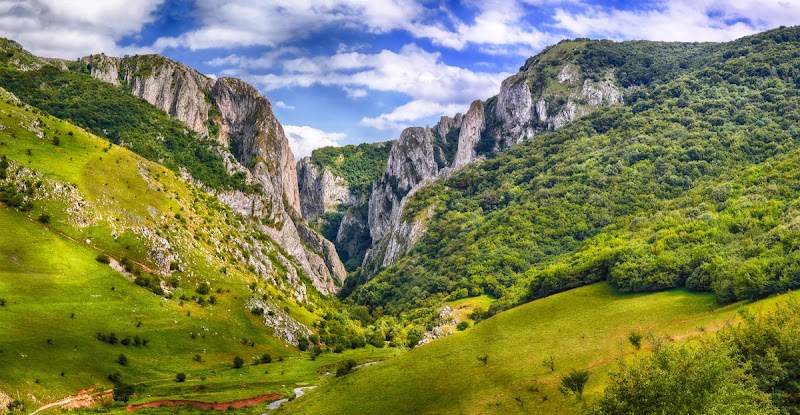
- Turda Gorge (Cheile Turzii)
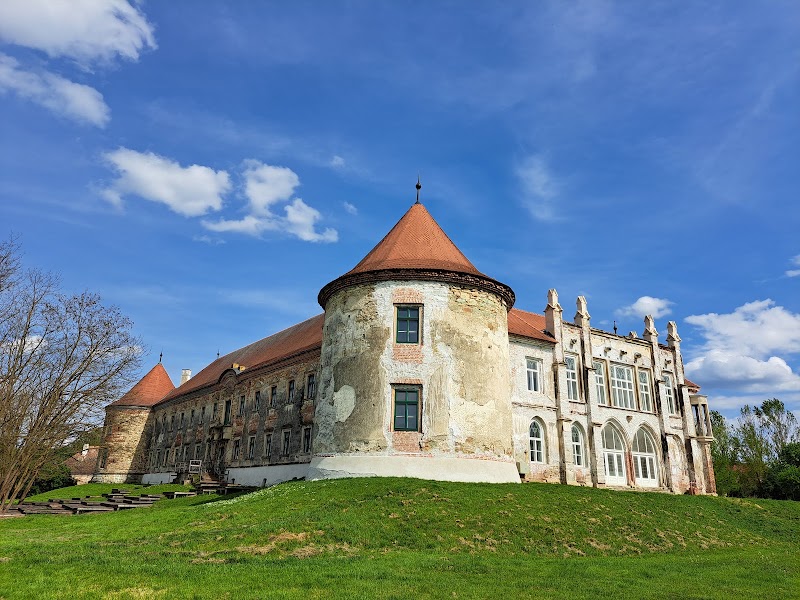
- Bánffy Castle at Bonțida
- The accessible Apuseni edge around Tarnița, Mărișel and Beliș
Where to go
 1
1Base · 2–3 days
Cluj-Napoca
The county’s essential base: a compact Gothic-and-Habsburg center with serious cafés, restaurants, bars, museums and student energy. Give it two deliberate sightseeing days; it also makes the easiest hub for Turda, Bonțida and Sic.
first-timerssolo travelersfoodiesnon-drivers
Explore Cluj-Napoca 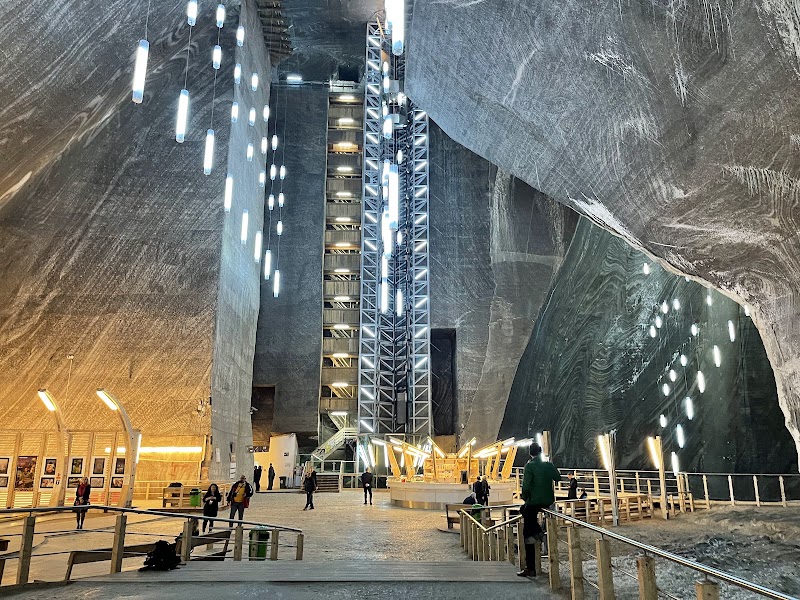 2
2Turda, Salina Turda and Durgău
Short stop · 0.5–1 days
Come for Salina Turda’s immense former salt chambers and odd underground leisure complex, then add the Durgău salt lakes or a traditional lunch in town. It is the county’s most straightforward major attraction and works well in poor weather.
first-timersfamiliesrainy-day planners
 3
3Cheile Turzii / Turda Gorge
Short stop · 0.5 days
A compact limestone gorge with high walls, a proper rocky trail and enough drama for a half-day outdoors. Do it as its own active outing or pair it with Turda only if you have a car and start early.
hikersclimbersphotographers
 4
4Bánffy Castle, Bonțida
Short stop · 0.5–1 days
This is an atmospheric restoration project rather than a polished palace: the partly recovered Renaissance-Baroque complex is the point. It makes a strong half-day from Cluj when there is no event closure.
architecture loversheritage travelersphotographers
 5
5Tarnița, Gilău and the Someșul Cald valley
Short stop · 0.5 days
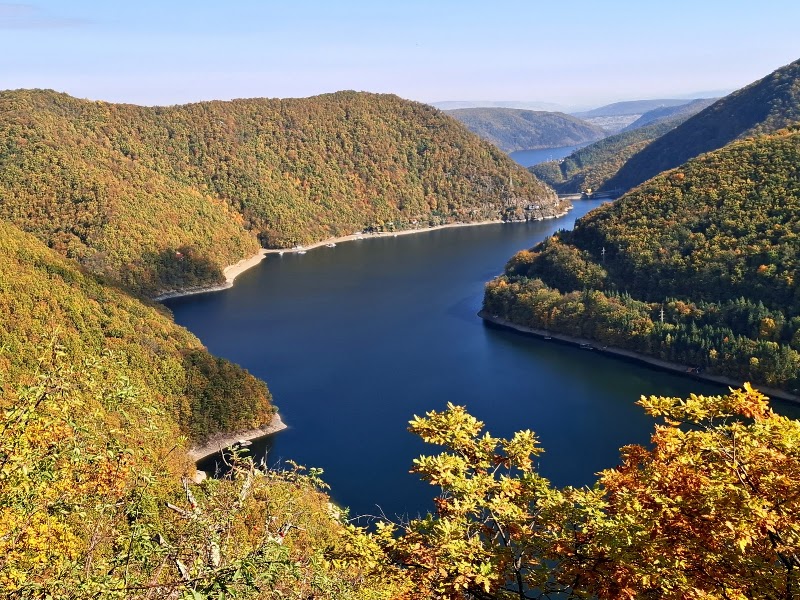
Cluj’s closest convincing escape into water and forest, best for a paddle, boat outing or easy lakeside walk rather than resort-style beach time. The roads are winding and the useful access points are much easier with a car.
driversactive couplesfamilies
 6
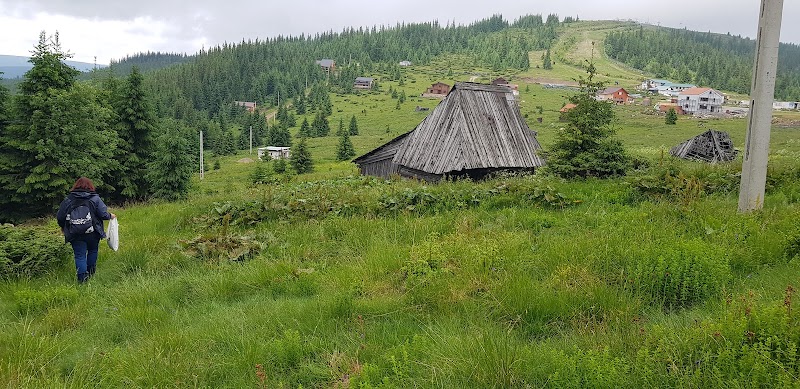
6Mărișel, Beliș–Fântânele and the Cluj edge of Apuseni Natural Park
Base · 2 days
For high plateau scenery, cabins, reservoir views and actual mountain air, this is the county’s strongest upland stay. Base around Beliș or Mărișel for hiking, cycling and slower days rather than trying to cover the wider Apuseni from Cluj.
hikersmountain bikersdrivers
 7
7Muntele Băișorii and Valea Ierii
Short stop · 1 day
A quieter southern Apuseni option for broad-view hikes and mountain biking, with a small local ski area in winter. Treat the skiing as a snow-dependent add-on, not a standalone ski holiday.
weekend hikersmountain bikersbeginner skiers
 8
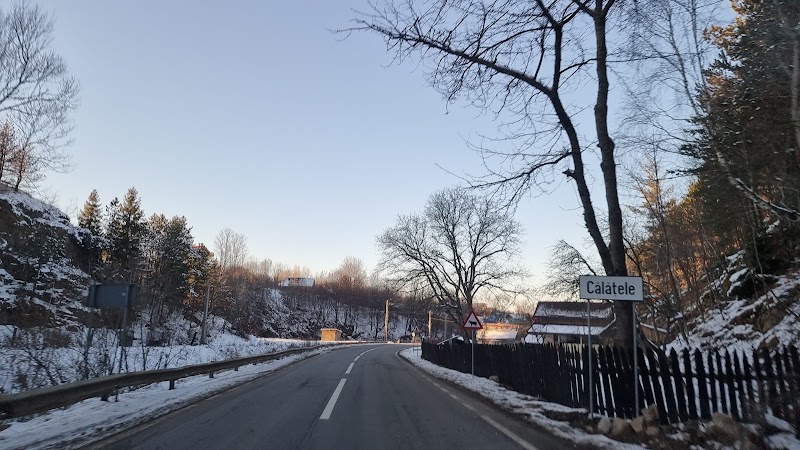
8Kalotaszeg / Țara Călatei
Base · 2 days
The villages around Mera, Mănăstireni, Sâncraiu, Huedin and Valea Drăganului offer Cluj’s best rural cultural counterweight: Hungarian-influenced architecture, food and folk traditions. It rewards a village guesthouse stay or a guide; otherwise its appeal is easy to miss.
repeat visitorscultural travelersphotographers
 9
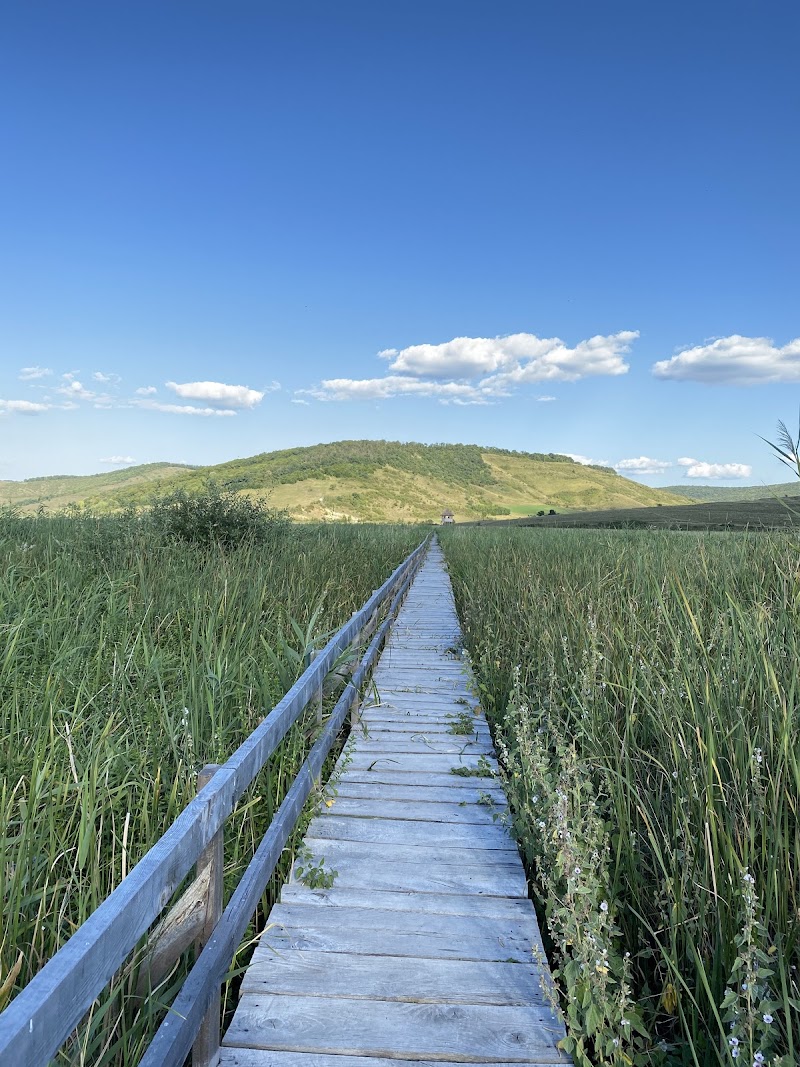
9Sic and the Transylvanian Delta
Short stop · 0.5–1 days
A former salt village north of Cluj with living dance traditions and reed-bed wetland habitat. Go for birds, landscape and village culture, preferably with a local contact or around a specific event—not for a polished attraction circuit.
birdersethnography enthusiastsphotographers
 10
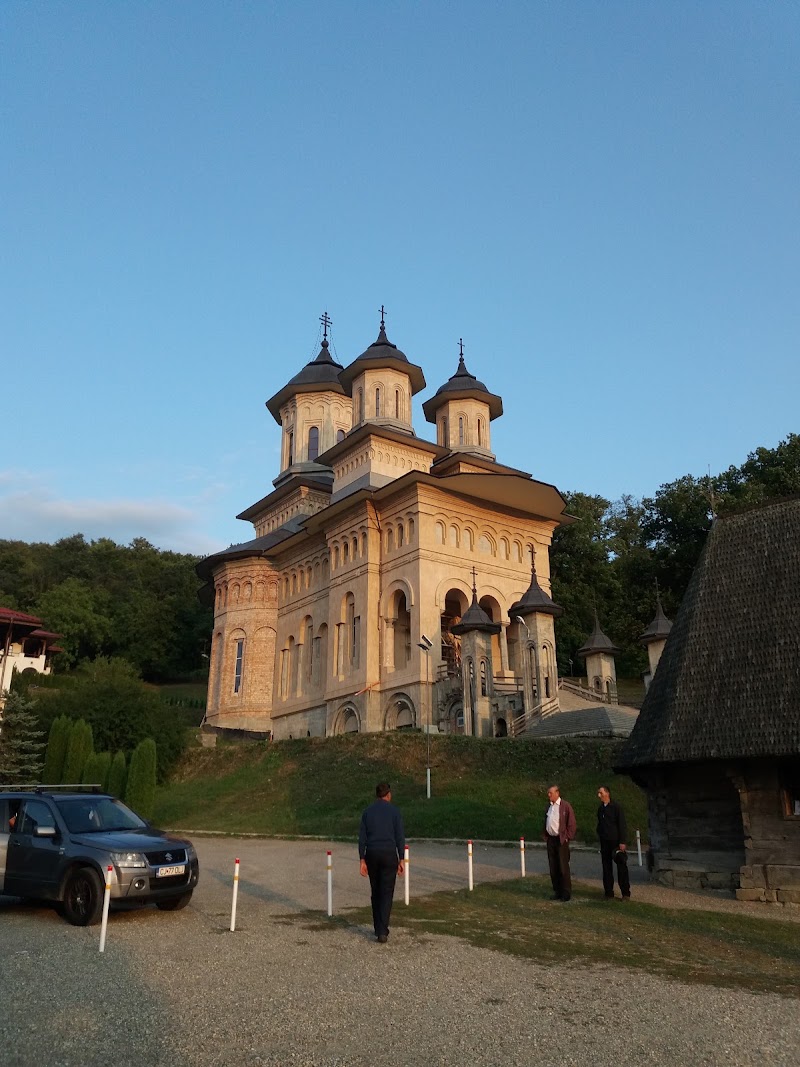
10Gherla–Nicula
Short stop · 1 day
A northern detour for Nicula Monastery, pilgrimage culture and the history of Romanian glass-icon painting. It is worthwhile for religious art and regional history, but not essential on a first short stay.
religious-art travelershistory travelerssecond-time visitors
Don't miss
1
Cetățuia Park
This hilltop is Cluj’s most useful orientation stop, with the broadest view over the old center and surrounding hills. Walk up near sunset, then descend toward the river and Central Park rather than treating it as a destination in isolation.
2
Alexandru Borza Botanical Garden
This large university garden offers a welcome change from Cluj’s paved center, with formal beds, greenhouses and uphill paths. Allow real wandering time and combine it with the old town rather than trying to rush it between day trips.
3
Unirii Square
This is the essential starting point for understanding Cluj: the city’s medieval-commercial heart, framed by Saint Michael’s Church, the Matthias monument and handsome Austro-Hungarian-era facades. Start here, linger over the architecture, and use its pedestrian streets as the spine for a first walk around town.
4
Saint Michael’s Church
The great Gothic church is Cluj’s defining historic building and the indispensable interior stop in Unirii Square. Pair a look inside with time in the square; if the tower is open, its climb is a worthwhile optional upgrade.
5
Cheile Turzii
Turda Gorge is one of the county’s signature natural outings: a dramatic limestone cleft with trails, cliffs and a river-floor walk. Give it a half-day with proper shoes, rather than treating it as a quick roadside photo stop; combine it with Salina Turda only if you start early and have a car.
6
Salina Turda
The vast former salt mine, with its theatrical underground chambers and unusual leisure facilities, is Cluj County’s most distinctive paid attraction. It is an easy half-day from Cluj and rewards an early arrival, especially if you want to avoid the long descent and boat-area queues.
Getting your bearings
Numbers match the places above; small dots are the headline sights.
The mental map
Think in three parts: central Cluj-Napoca for urban life and the transport hub; south to Turda and Cheile Turzii for the salt mine and limestone gorge; and west/north for reservoirs, Apuseni foothills, villages and wetlands. The further you move into rural Cluj, the slower the roads and thinner the public transport become.
When to go
April–May is the best all-round window: green hills, workable city weather and fewer crowds, though May rain can make gorge trails slick. September–October is strongest for hiking, autumn color and food, with cooler upland nights and shorter days. June through August brings long days, lake weather and festival energy, but also thunderstorms, crowds and sharply higher room prices around TIFF, Electric Castle and Untold. November–March suits a Cluj city break or a flexible snow weekend, not a full rural-road itinerary.
Pacing a visit
For a first visit, base in Cluj-Napoca for 3–5 nights: Turda, Bonțida and Sic work as day trips, especially if you are car-free. Add a night or two around Beliș/Mărișel or Băișoara only if hiking, lake time or winter sport is the point and you have a car. Map distances mislead: Cluj–Turda takes roughly 45–60 minutes by road, Cluj–Bonțida 40–50 minutes, and the Tarnița–Mărișel–Beliș scenic loop is a full-day drive, not a casual detour.
Book before you land
Untold Festival tickets and central Cluj accommodation during the August festival period. · Electric Castle tickets and accommodation/transport for Bonțida during the July festival period. · Transilvania International Film Festival (TIFF) screenings you specifically want, plus central accommodation during the June festival dates.
Getting in
CLJCluj Avram Iancu International Airport
The practical gateway for almost every short Cluj trip: it is about 10 km from the centre, with taxis/rideshare taking roughly 20 minutes and public transport around 30 minutes. Use it for a Cluj-Napoca base and county day trips.
Flights and transfers into Cluj-NapocaCluj-Napoca railway station
Useful for domestic rail arrivals and for the Huedin direction, but not a substitute for a car in rural Cluj. It works well if you are combining Cluj with Bucharest, Oradea or other Romanian cities; mountain and village last miles remain awkward.
Flights and transfers into Cluj-NapocaOTPBucharest Henri Coandă International Airport
A sensible fallback for long-haul flights or cheaper connections. Continue by domestic flight, overnight/train connection or rental car, but do not treat it as a quick airport transfer: Bucharest–Cluj is a substantial cross-country journey.
Flights and transfers into BucharestBUDBudapest Ferenc Liszt International Airport
Worth comparing for some European and long-haul fares, particularly if you are already travelling through Hungary. It only makes sense with a rental car, private transfer or a wider Hungary–Romania itinerary; the onward journey to Cluj is long.
Before you go
Questions worth settling
How many days should I spend in Cluj County?
Allow 3–5 nights based in Cluj-Napoca for a first visit: two deliberate city days plus day trips to Turda/Salina Turda, Bonțida or Sic. Add 1–2 nights around Beliș, Mărișel or Muntele Băișorii only if hiking, lake time or winter activities are a main priority and you have a car.
Where should I base myself?
Cluj-Napoca is the best base for most first-time visitors, especially non-drivers, food-focused travelers and anyone wanting city life alongside day trips. Stay around Beliș or Mărișel instead only for a car-based Apuseni escape; rural areas are slower, with much thinner transport and fewer spontaneous dining options.
Can I combine Cluj-Napoca, Salina Turda and Turda Gorge in one trip?
Yes: Salina Turda is an easy major outing from a Cluj-Napoca base, and Turda is roughly 45–60 minutes away by road. Cheile Turzii is best treated as a separate active half-day; combine it with Turda only with a car, an early start and proper walking shoes.
Do I need a car in Cluj County?
Not for Cluj-Napoca and Salina Turda: buses, tours and taxis can work, while Bonțida and Huedin are possible by rail or arranged transport. Rent a car for Tarnița, Cheile Turzii, Sic, Kalotaszeg, Beliș/Mărișel and Muntele Băișorii, where roads are slow and public transport is patchy.
What is the best time of year to visit?
April–May is the best all-round period for a first visit, with green hills, manageable city weather and fewer crowds, though rain can make Turda Gorge trails slick. September–October is strongest for hiking and autumn color; June–August brings long days, lakes and festivals but higher prices, storms and crowds.
How do Romania’s entry rules work for visitors?
Romania is in the Schengen Area. EU/EEA/Swiss citizens may enter with a valid ID card or passport, while visitors from the UK, US, Canada, Australia and many other visa-exempt countries can generally stay up to 90 days in any 180-day Schengen period; confirm current rules for your nationality before booking.
What should I book ahead?
Book central Cluj-Napoca accommodation well ahead around TIFF in June, Electric Castle at Bánffy Castle in Bonțida in July, and Untold in August; secure festival tickets and specific TIFF screenings early too. Outside festival periods, advance planning matters most for rural guesthouse meals and stays around Kalotaszeg, Beliș or Mărișel, where walk-in options are limited.
Known for
- Cluj-Napoca’s café, dining, university and festival scene
- Salina Turda
- Turda Gorge (Cheile Turzii)
- Bánffy Castle at Bonțida
- The accessible Apuseni edge around Tarnița, Mărișel and Beliș

