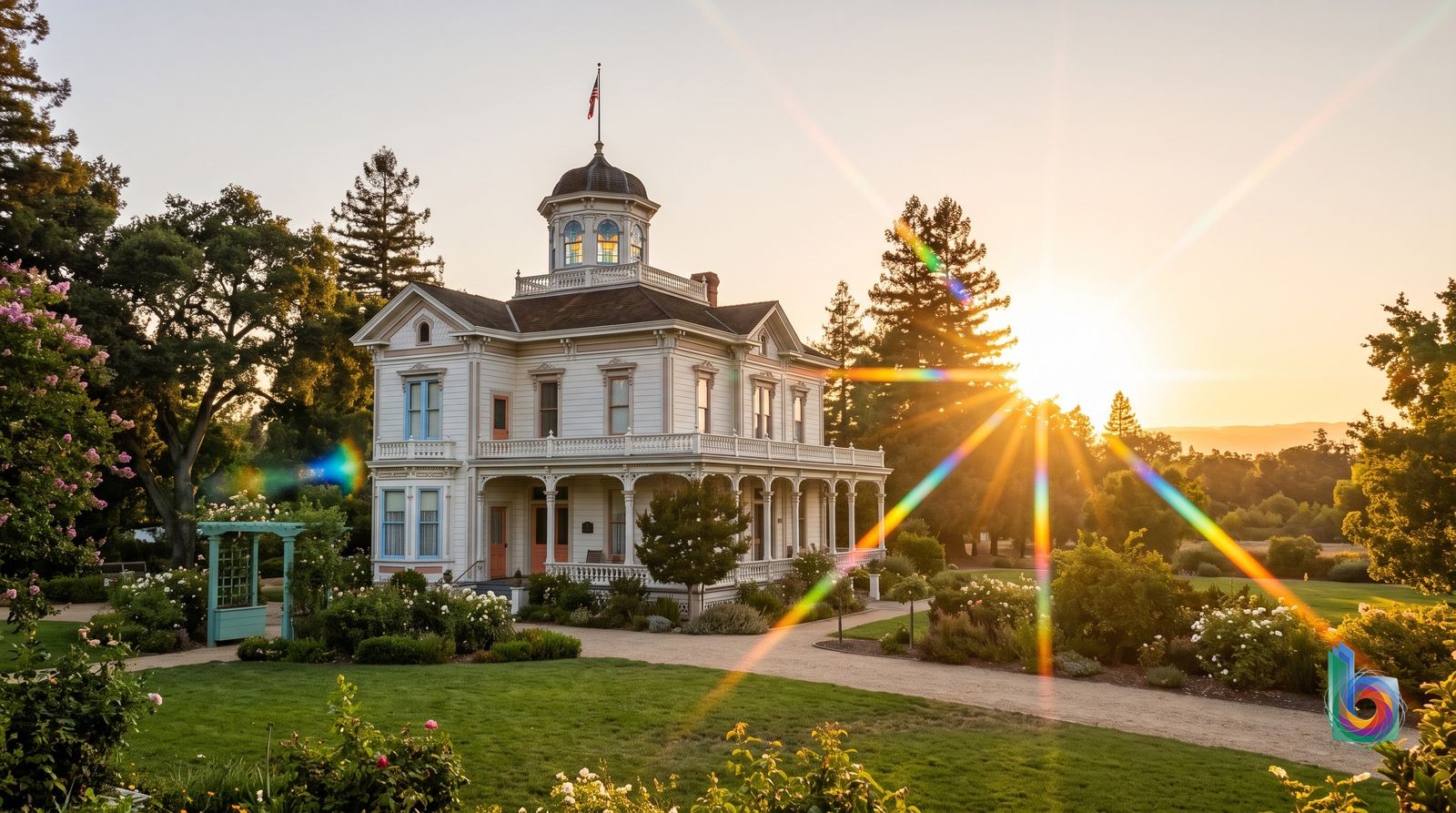
Stanford University and its campus museums, sculpture, and athletics · Silicon Valley’s early history, including HP’s garage—the street-visible “Birthplace of Silicon Valley” · Venture capital, startups, and major technology companies · El Palo Alto, the historic coast redwood that gave the city its name
Palo Alto is an affluent, low-rise Silicon Valley town wrapped around Stanford University: venture capital, research labs, leafy streets, serious money, and a downtown that is more useful than cinematic. The trap is treating it as either a tech-company theme park or merely Stanford’s suburb. Its real pleasures are campus art, excellent walking and cycling, Baylands wetlands, and access to the Peninsula—but many corporate campuses are not visitor attractions, and the city itself does not have enough conventional sights for a packed multi-day itinerary.
The mental map
Downtown is centered on University Avenue and the Palo Alto Caltrain station; it is the only part a short-stay visitor can sensibly do entirely on foot. Stanford lies immediately west across El Camino Real, with the Main Quad, Cantor Arts Center, Anderson Collection, and athletic venues spread across a very large campus. California Avenue is the smaller, more local commercial district about 2 miles south; the Baylands are far east at the end of Embarcadero Road, while the foothill preserves are west and require a bike or car. East Palo Alto is a separate city north of Palo Alto, not an extension of downtown sightseeing.
Pacing
One substantial day covers downtown, Stanford’s Main Quad and sculpture, the Cantor and Anderson collections, and perhaps University Avenue dinner. Give Baylands or a foothill hike its own half-day, because the places are spread out and local buses are not frequent enough to make aggressive sightseeing efficient. Palo Alto rewards an unhurried one- to two-day stay, or works better as a base than as a checklist destination.
Numbered pins are the top sights — tap one for details.
The Cantor is one of the Bay Area’s best free university museums, particularly strong in Rodin sculpture and supplemented by the outdoor sculpture grounds. It is an essential part of a first Stanford visit; allow time to wander outside as well as through the galleries.
The Baylands is Palo Alto’s best nature-and-sky counterweight to the Stanford campus: broad marshes, easy paths, bay views, and serious birdlife. Walk or bike the levees, and include the interpretive center when it is open if you want context on the wetlands.
For a first-time visitor, this is the clearest museum-scale explanation of why the Valley matters, from early computing to internet and personal-computer history. The collection is substantial enough to reward even nontechnical visitors, but tech enthusiasts can easily spend half a day here.
Stanford’s sandstone Main Quad, arcades, palms, and public art are the defining architectural experience of a Palo Alto visit. Walk it as a campus rather than trying to see everything, then use Cantor, Hoover Tower, and the Anderson Collection to give the outing substance.
The tower is Stanford’s visual landmark, and its observation deck gives the quickest orienting view over campus and the Peninsula. Combine it with a Main Quad walk rather than making a special trip solely for the elevator ride.
This free modern and postwar American art museum is compact but unusually strong, with major works that make it more than an optional campus add-on. It is directly complementary to Cantor: do both in one art-focused Stanford half-day.
Where to stay
First visit? Stay in Downtown Palo Alto.
It is Palo Alto’s most walkable concentration of hotels, dining, and casual browsing, and the Palo Alto Caltrain station makes it the least car-dependent base for Stanford and Bay Area day trips.
Where to eat
Tables worth crossing town for
Costs nothing
Free and great
Walk Stanford’s Main Quad, Memorial Church exterior and grounds, the Oval, and the outdoor sculpture collection; Rodin works and Andy Goldsworthy’s River of Stone are the anchors.
Visit the Cantor Arts Center and the Anderson Collection at Stanford; both are free, and together make a strong two- to three-hour art stop.
Hike or cycle the Baylands Nature Preserve from the end of Embarcadero Road for open South Bay views, wetlands, and birdwatching.
See Packard’s Garage from the street at 367 Addison Avenue. It is a historical marker, not an interior museum, so do not build a day around it.
Walk University Avenue from the Caltrain station toward downtown, then detour through Professorville/Old Palo Alto’s residential streets for the town’s most revealing contrast with startup mythology.
Use the free Marguerite shuttle to explore Stanford on a car-free day; it is transportation rather than a tour, but it makes the large campus manageable.
Hike Arastradero Preserve or Coal Creek Open Space Preserve for foothill views and grassland trails. Both are free; Coal Creek has limited parking.
Browse the California Avenue farmers’ market when it is operating; entry and the atmosphere are free, while the food naturally is not.
Stanford University and its campus museums, sculpture, and athletics · Silicon Valley’s early history, including HP’s garage—the street-visible “Birthplace of Silicon Valley” · Venture capital, startups, and major technology companies · El Palo Alto, the historic coast redwood that gave the city its name
Palo Alto is an affluent, low-rise Silicon Valley town wrapped around Stanford University: venture capital, research labs, leafy streets, serious money, and a downtown that is more useful than cinematic. The trap is treating it as either a tech-company theme park or merely Stanford’s suburb. Its real pleasures are campus art, excellent walking and cycling, Baylands wetlands, and access to the Peninsula—but many corporate campuses are not visitor attractions, and the city itself does not have enough conventional sights for a packed multi-day itinerary.
The mental map
Downtown is centered on University Avenue and the Palo Alto Caltrain station; it is the only part a short-stay visitor can sensibly do entirely on foot. Stanford lies immediately west across El Camino Real, with the Main Quad, Cantor Arts Center, Anderson Collection, and athletic venues spread across a very large campus. California Avenue is the smaller, more local commercial district about 2 miles south; the Baylands are far east at the end of Embarcadero Road, while the foothill preserves are west and require a bike or car. East Palo Alto is a separate city north of Palo Alto, not an extension of downtown sightseeing.
Pacing
One substantial day covers downtown, Stanford’s Main Quad and sculpture, the Cantor and Anderson collections, and perhaps University Avenue dinner. Give Baylands or a foothill hike its own half-day, because the places are spread out and local buses are not frequent enough to make aggressive sightseeing efficient. Palo Alto rewards an unhurried one- to two-day stay, or works better as a base than as a checklist destination.
Numbered pins are the top sights — tap one for details.
The Cantor is one of the Bay Area’s best free university museums, particularly strong in Rodin sculpture and supplemented by the outdoor sculpture grounds. It is an essential part of a first Stanford visit; allow time to wander outside as well as through the galleries.
The Baylands is Palo Alto’s best nature-and-sky counterweight to the Stanford campus: broad marshes, easy paths, bay views, and serious birdlife. Walk or bike the levees, and include the interpretive center when it is open if you want context on the wetlands.
For a first-time visitor, this is the clearest museum-scale explanation of why the Valley matters, from early computing to internet and personal-computer history. The collection is substantial enough to reward even nontechnical visitors, but tech enthusiasts can easily spend half a day here.
Stanford’s sandstone Main Quad, arcades, palms, and public art are the defining architectural experience of a Palo Alto visit. Walk it as a campus rather than trying to see everything, then use Cantor, Hoover Tower, and the Anderson Collection to give the outing substance.
The tower is Stanford’s visual landmark, and its observation deck gives the quickest orienting view over campus and the Peninsula. Combine it with a Main Quad walk rather than making a special trip solely for the elevator ride.
This free modern and postwar American art museum is compact but unusually strong, with major works that make it more than an optional campus add-on. It is directly complementary to Cantor: do both in one art-focused Stanford half-day.
Where to stay
First visit? Stay in Downtown Palo Alto.
It is Palo Alto’s most walkable concentration of hotels, dining, and casual browsing, and the Palo Alto Caltrain station makes it the least car-dependent base for Stanford and Bay Area day trips.
Where to eat
Tables worth crossing town for
Costs nothing
Free and great
Walk Stanford’s Main Quad, Memorial Church exterior and grounds, the Oval, and the outdoor sculpture collection; Rodin works and Andy Goldsworthy’s River of Stone are the anchors.
Visit the Cantor Arts Center and the Anderson Collection at Stanford; both are free, and together make a strong two- to three-hour art stop.
Hike or cycle the Baylands Nature Preserve from the end of Embarcadero Road for open South Bay views, wetlands, and birdwatching.
See Packard’s Garage from the street at 367 Addison Avenue. It is a historical marker, not an interior museum, so do not build a day around it.
Walk University Avenue from the Caltrain station toward downtown, then detour through Professorville/Old Palo Alto’s residential streets for the town’s most revealing contrast with startup mythology.
Use the free Marguerite shuttle to explore Stanford on a car-free day; it is transportation rather than a tour, but it makes the large campus manageable.
Hike Arastradero Preserve or Coal Creek Open Space Preserve for foothill views and grassland trails. Both are free; Coal Creek has limited parking.
Browse the California Avenue farmers’ market when it is operating; entry and the atmosphere are free, while the food naturally is not.